
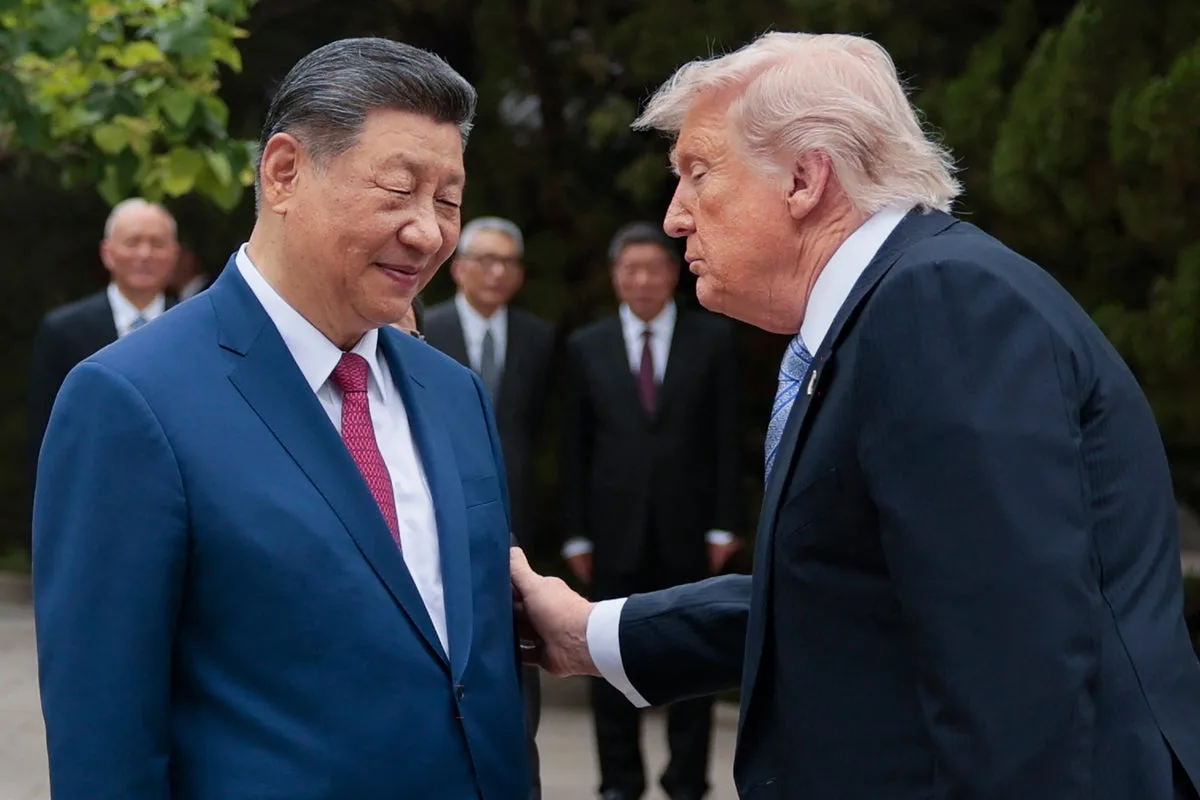
US President Donald Trump and Chinese President Xi Jinping failed to reach a concrete agreement to end the war in Iran during Trump's first visit to China, leaving the conflict in limbo. The two-day summit in Beijing, which began with high hopes that China could broker peace as Iran's key ally, ended without a clear blueprint for ending hostilities that have ravaged the Middle East for over two months.
After the talks, Trump stated that both leaders agreed Iran must not possess nuclear weapons and that they wanted the Strait of Hormuz to remain open. He claimed they had "settled a lot of different problems." However, no specific peace plan emerged, and Trump later posted on Truth Social that the "military decimation of Iran" could "be continued," underscoring the lack of progress.
The US had pressed China to do more to end the war, particularly to help reopen the Strait of Hormuz, which Iran has threatened to toll. Treasury Secretary Scott Bessent urged China to join international efforts, but there was no indication Trump pushed Xi on this. The White House said Xi expressed China's opposition to militarising the waterway and charging tolls.
Trump told Fox News that Xi promised not to send military equipment to Iran, calling it "a big statement." Yet Beijing may have little incentive to pressure Tehran, as Iran recently struck a deal allowing Chinese oil tankers to pass through the strait in exchange for a limited toll. The Islamic Revolutionary Guard Corps reported that around 30 ships, including Chinese vessels, had crossed since Wednesday.
Iranian Foreign Minister Abbas Araghchi had earlier visited Beijing, where Chinese Foreign Minister Wang Yi called for a ceasefire and free transit through the strait without naming the blocking forces. China's foreign ministry urged "parties involved" to restore safe passage and stated it appreciated Iran's commitment not to develop nuclear weapons while recognising its right to peaceful nuclear energy.




