
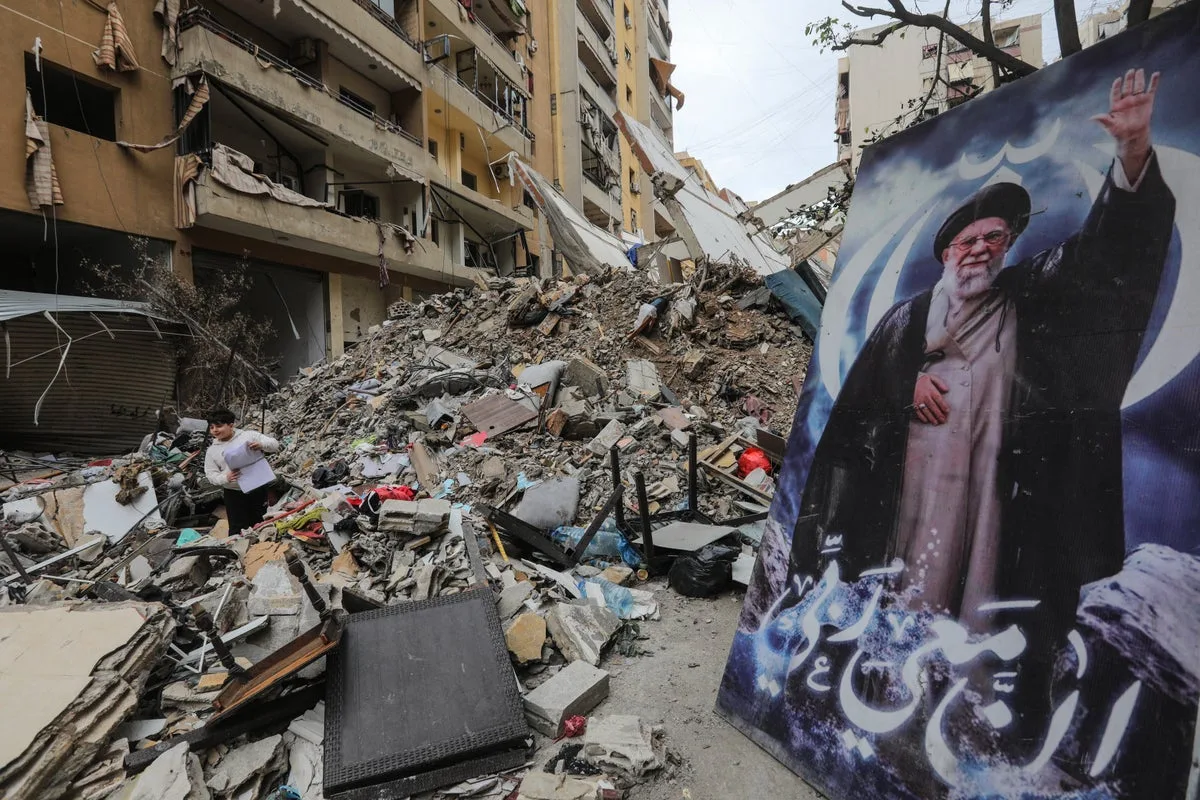
With a shaky ceasefire in place between the US, Israel and Iran, and little progress on resolving underlying issues, experts warn the conflict is heading towards a frozen conflict rather than a comprehensive peace agreement. A frozen conflict is an unresolved war that continues at a low level below full-scale combat, as seen in eastern Ukraine from 2014 to 2022.
Three key reasons point to this outcome. First, President Donald Trump’s foreign policy approach treats ceasefires as US successes, then moves on to the next issue without addressing substantive political problems. He has claimed to end ten wars, but shaky ceasefires have left ongoing tensions in places like India-Pakistan and Thailand-Cambodia.
Second, the war is asymmetric due to the vast military disparity between the US-Israel alliance and Iran. Iran uses asymmetric tactics, including targeting infrastructure in non-belligerent Gulf states and closing the Strait of Hormuz. Such wars are inherently protracted and more likely to end in frozen conflict than political settlement.
Third, neither side appears committed to long-term resolution of tensions, particularly over Iran’s nuclear programme. Talks in Pakistan were aborted as Iran refused to compromise on what it sees as its right to enrich uranium. The 2015 JCPOA took 20 months to negotiate; Trump later withdrew. Analysts suggest only a partial agreement may be possible.
The Iran-US war may conclude with a series of ceasefires but will likely remain a frozen conflict, with ongoing threats over Iran’s nuclear ambitions and regional disruptions.




