The ongoing conflict in Iran, dubbed Operation Epic Fury, has not achieved Donald Trump's war aims but is inadvertently accelerating the global shift toward clean energy, which the US president has long opposed.
Escalating Tensions and Energy Crisis
Last week saw heightened rhetoric over the Strait of Hormuz. Trump claimed Iran was "choking like a stuffed pig" due to the US blockade, while Iran's supreme leader retorted that foreigners "maliciously covet" the waterway and "have no place there except at the bottom of its waters." This standoff raises fears of a prolonged impasse.
Meanwhile, the International Energy Agency reports nearly 40 countries have taken emergency measures due to soaring oil and gas prices. Laos has shortened school weeks to three days, and Nepal has called for half-filled cooking gas cylinders. Even high-income nations like the UK face painful impacts, as the Bank of England's latest forecasts show. For developing countries, the crisis could be catastrophic as energy and fertilizer costs skyrocket.

Accelerating the Inevitable Shift
While the immediate outlook is bleak, this fossil fuel crisis is hastening the global transition away from oil and gas and the toxic geopolitics they create. After the 1970s oil shocks, Western states reduced reliance on OPEC-controlled supplies through fuel efficiency standards and nuclear power. Today, low-cost clean substitutes are more readily available. About 45% of crude oil is used for road transport, much of which can be electrified cheaply.
Carmakers report surging demand for electric vehicles amid the Iran war. Renault's UK boss called it a "seismic shift," with March demand across continental Europe up 51% year-on-year. Governments are also renewing efforts to reduce oil and gas dependence, given the Strait of Hormuz's vulnerability.
Global Responses and Opportunities
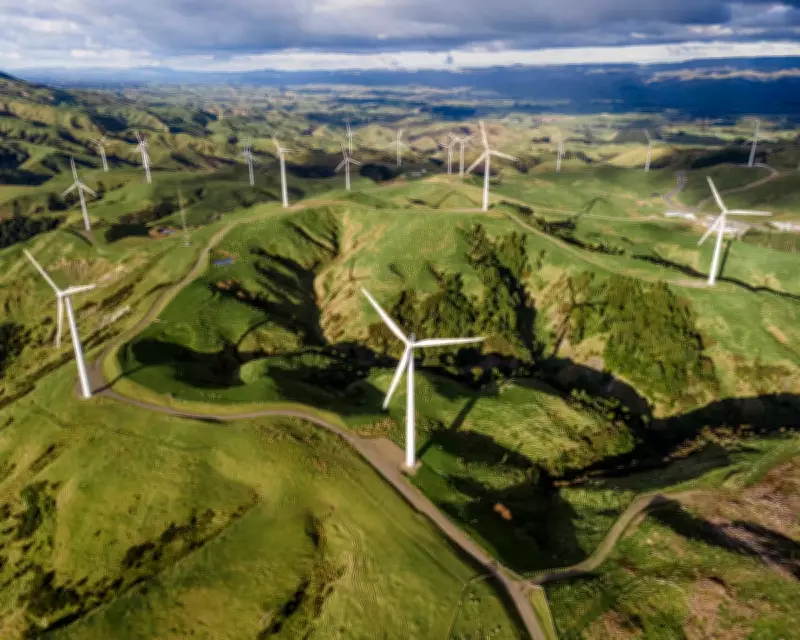
The United Arab Emirates' surprise departure from OPEC may aim to ramp up supplies while fossil fuels remain viable. Analyst Nick Birman-Trickett compares the current shock to the 1997-98 debt crises, which spurred emerging economies to build foreign reserves and pursue export-led growth. Similarly, governments will likely invest in solar, wind, battery, and nuclear capacity to enhance energy security.
South Korean President Lee Jae Myung stated, "It's a situation so serious that even I can't sleep. South Korea needs to transition to renewable energy quickly." Vietnam has shelved plans for a liquefied natural gas terminal in favor of renewables. India's solar power generation rose to 9% of electricity last year, up from 0.5% a decade ago, and the country leads in electric three-wheelers. Pakistan's rooftop solar boom is expected to accelerate as households cope with soaring utility prices.
China's Advantage
The renewables dash benefits China, the world's leading manufacturer of solar panels, batteries, and affordable electric vehicles. This outcome likely contradicts Trump's intentions when he launched strikes on Iran. Back in the US, Trump has rolled back clean energy support and promotes coal while disparaging wind turbines. However, like Britain's Suez crisis involvement, Trump's actions reveal US weakness in a shifting geopolitical era rather than strength.