Iranian Reformists Push for Leadership Change Amidst Regional Tensions
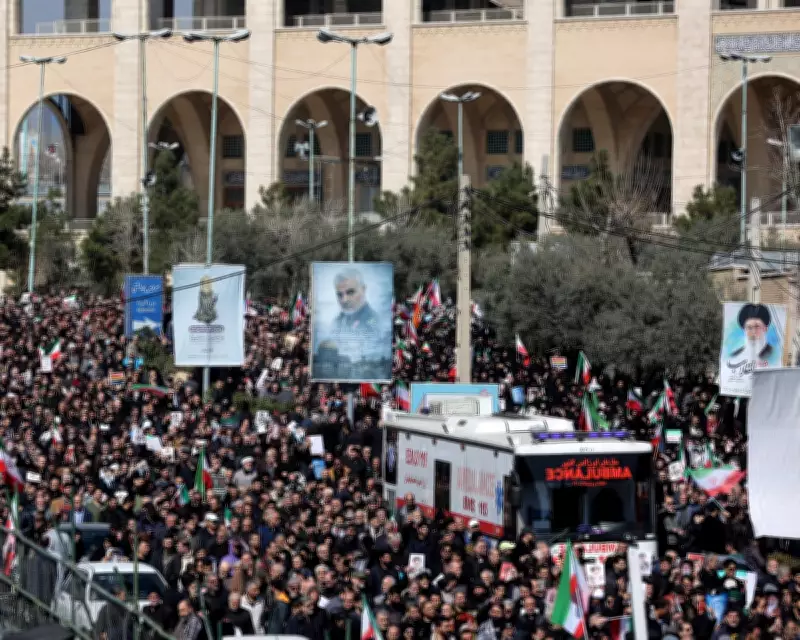
In a significant political statement, Iran's Reform Front has called for the appointment of a new supreme leader who can effectively challenge US propaganda portraying Iran as a war-mongering nation and reduce domestic polarisation. The group, which supported Masoud Pezeshkian's presidential victory 18 months ago, emphasised that such a leadership shift could convey a message of peace and friendship globally, thereby strengthening anti-war protests.
Attacks on Non-Military Assets Diminish Global Sympathy
According to a report by the Iranian newspaper Donya-e-Eqtesad, the Reform Front warned that attacks on non-military US assets in the region are eroding international support for Iran as a victim of blatant aggression. The group argued that expanding assaults to include political centres affiliated with the US government risks alienating regional governments and reducing Iran's diplomatic capacity to end the conflict.
The statement highlighted: "The expansion of attacks against US military bases and their extension to political centres affiliated with this government in the countries of the region and the failure to distinguish between the two will remove Iran from the position of being oppressed and a victim of aggression."

Call for National Unity and Political Prisoner Release
The Reform Front stressed the necessity of national unity and cohesion in facing an enemy with advanced military and information technologies. They advocated for a general amnesty to release political prisoners and civil activists, noting that society's resilience depends on inclusivity. However, recent reports indicate only limited releases, such as reformist politician Ali Shakouri-Rad, who faces medical issues after arrest.
The group asserted: "An attempt by the regime to rely on only part of society to win the war would be a very big and unforgivable mistake."
Internal Debate on Ending International Isolation
While reformists are a weakened force within Iran, their criticism represents a rare internal debate on strategies to end the country's international isolation. The Reform Front suggested that legitimate national figures trusted by civil society and international forums could enhance public diplomacy and encourage global condemnation of aggression against Iran.
They also called on all ethnic groups in Iranian society, including Turks, Kurds, and Persians, to defend national identity and territorial integrity through mutual respect and recognition of diversity.
Missed Opportunities and Future Scenarios
The reformists lamented that recommendations from former leader Seyyed Mohammad Khatami and their own group last summer were not heeded, potentially costing diplomatic advantages. In condemning US-Israel aggression, they argued Iran would be stronger if calls for prisoner releases had been addressed earlier.
Yousef Pezeshkian, son of President Masoud Pezeshkian, discussed the importance of defining a post-war ideal scenario, which influences military operations and communications. He highlighted that Iran's endurance compared to the enemy, including weapons stockpiles, will be crucial in determining the war's outcome.
State-aligned media continues to focus on military successes and civilian casualties, with little coverage of damage to Iranian missile launchers and security apparatus, underscoring the complex dynamics at play.