The clock is ticking on a Tehran response to the latest US peace proposals as intelligence suggests Iran can continue fighting for months, and the ceasefire is now on the brink. According to reports, Tehran’s military still possesses a significant number of missiles and drones and could sustain combat for up to four months.
Tehran’s answer to the latest US proposals is expected today (Friday) as tensions threaten to erupt into war once again in the region. Iran claims to have seized an oil tanker, further escalating the situation.
A major sticking point is Israeli attacks on Hezbollah targets in Iran. Tehran insists on including its proxy in any deal to end the war with the US. Major cracks in the temporary cessation of hostilities were evident on Thursday night as both sides exchanged missile fire, each blaming the other for breaking the ceasefire.

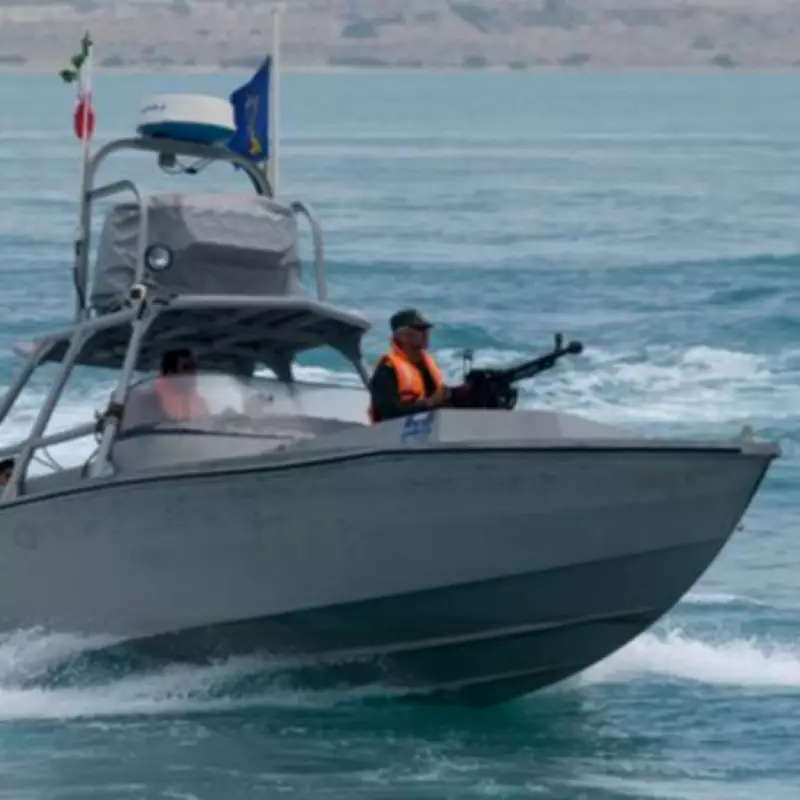
US and Iranian forces clashed around the Strait of Hormuz, and Israel’s ally the UAE was again forced to engage Iranian ballistic missiles and drones, injuring three. American forces carried out retaliatory strikes on Iranian military facilities that allegedly launched “unprovoked” missile, drone, and small boat attacks against US warships.
Afterwards, US President Donald Trump said: “Three World Class American Destroyers just transited, very successfully, out of the Strait of Hormuz, under fire. There was no damage done to the three Destroyers, but great damage done to the Iranian attackers. They trifled with us today. We blew them away.”
Despite the outbreak of violence, it is believed a positive response to America’s proposals, brokered by Pakistani intermediaries, could lead to further talks. Further details have emerged outlining US red lines in the negotiations as Trump becomes increasingly desperate for an off-ramp.
Trump has maintained for days that a deal is close and that Tehran is keen to settle on an agreement but issued stern statements over last night’s missile exchanges. He said: “We’ll knock them out a lot harder, and a lot more violently if Iran doesn’t sign a deal soon.”
The latest American offering to Iran includes Tehran formally pledging not to pursue nuclear weapons and dismantling its key Fordow, Natanz, and Isfahan facilities. It also calls for an end to Iran’s covert underground nuclear work, verified by snap inspections with penalties for violations.
Washington is also seeking a 20-year freeze on uranium enrichment and the transfer of Iran’s already enriched nuclear stockpile. In return, sanctions relief would be lifted in a phased programme linked to Iran’s compliance, while the reopening of the Strait of Hormuz would proceed gradually alongside a rollback of the US blockade.
But sources say the Strait deal is undefined and unresolved, merely urging Iran to loosen restrictions on the waterway. On Friday, the Islamic Revolutionary Guard Corps of Iran vowed to hit out if Israel does not cease attacks on targets in Lebanon. It warned of a “regret-inducing response” according to Iranian state media.
However, Israel and the US insist Lebanon is not included in the current two-week ceasefire with Iran, even though Trump announced a separate agreement had been reached with Israel’s neighbour. It has also been reported that Iranian airstrikes damaged or destroyed far more US military sites than acknowledged by the White House.
Reports suggest at least 228 structures or pieces of equipment were hit in weeks of tit-for-tat exchanges. France has moved its Charles de Gaulle aircraft carrier from the Mediterranean to the Red Sea in a bid to signal to the US and Iran that it is willing to help resolve the Hormuz crisis.