
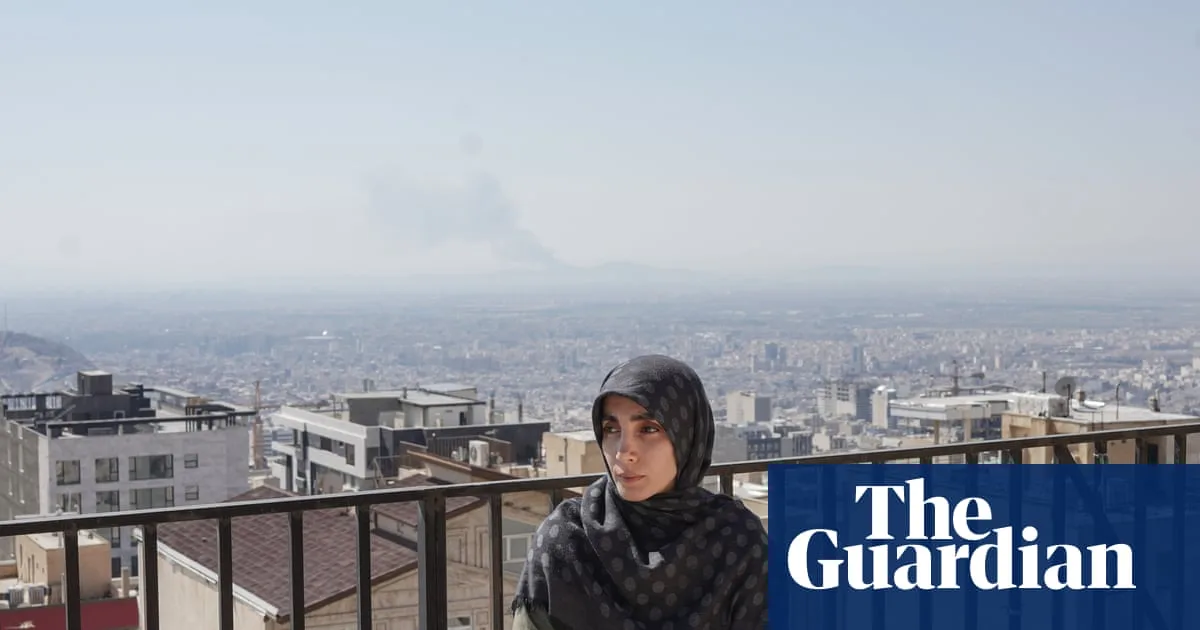
Tehran residents are struggling to maintain their livelihoods and safety as the US-Israeli military campaign enters its third week. The UN refugee agency estimates that up to 3.2 million people have been temporarily displaced in Iran, with the figure expected to rise.
Nafise, a 30-year-old jewellery designer, remains in Tehran with her husband Farhad. Her online business has slowed due to the war and earlier internet shutdowns during anti-government protests. The couple spends evenings with friends, moving between apartments to keep spirits up. “We want change, but not like this,” she says, expressing hope for political change but opposing the war.
Amir, a 40-year-old shop owner from Karaj, travels daily to Tehran for work. His business distributing brake pads has been hit by the conflict. He worries about a prolonged war and hopes for sanctions relief to boost Iran’s economy.
At least 1,444 people have been killed and nearly 19,000 injured, according to state media. Oil prices have spiked above $100 a barrel after Iran effectively closed the Strait of Hormuz to the US, Israel and their allies. Civilian infrastructure has been damaged, schools are closed, and many businesses have shut temporarily.
Vincent Cassard of the International Committee of the Red Cross in Tehran notes the heavy strain on civilians, saying, “Right now, not even residential homes are safe from attacks.”




