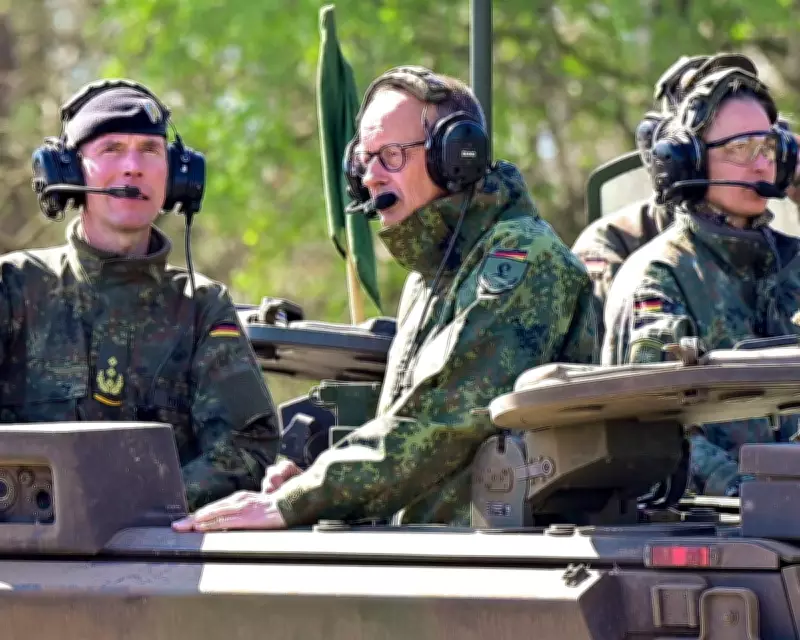
Germany is on the rise militarily, but it is doing so in a way that is deeply embedded in European and transatlantic alliances, rather than as a unilateral power. This shift, prompted by the Trump administration's challenges to the post-war order, has raised concerns about a return to German militarism. However, the reality is more nuanced: Germany's defence spending is increasing, but its military remains firmly integrated into NATO and the European Union.
The article argues that Germany's new defence posture is not a threat but a necessary adaptation to a changing global landscape. The country is investing in its armed forces, but it is doing so with a focus on collective security. The Bundeswehr is being modernised, but it operates under strict parliamentary oversight and within the framework of international law.
Historical Context and Modern Reality
Historically, fears of a powerful Germany are understandable given the two world wars. However, today's Germany is a different entity. It is a mature democracy with a strong commitment to multilateralism. The rise of the far-right AfD party has caused concern, but mainstream German politics remains staunchly pro-European.

Germany's military modernisation is also a response to the war in Ukraine and the need for Europe to take more responsibility for its own defence. The country has committed to spending 2% of GDP on defence, a target long urged by NATO allies. Yet, this spending is not aimed at dominating Europe but at bolstering collective defence.
European Integration
Germany's military rise is happening within the European Union. The EU's Permanent Structured Cooperation (PESCO) and the European Defence Fund are vehicles for joint defence projects. Germany is a leading participant, ensuring that its military growth is coordinated with its neighbours.
Moreover, Germany's defence industry is increasingly integrated with European partners. Joint projects like the Franco-German fighter jet and the European Main Battle Tank demonstrate that Germany is not going it alone.
NATO and the US
Germany remains a committed NATO member. The US still has troops stationed in Germany, and there are no plans to reduce that presence. In fact, Germany has increased its contributions to NATO missions. The relationship with the US is complex, especially after Trump's criticism, but the alliance remains strong.
The article concludes that Germany's military rise should be seen as a positive development for European security. It is a responsible power that is increasing its capabilities to meet new threats, not to dominate its neighbours. The key is that Germany's military is embedded in a web of alliances and institutions that ensure it will not become a threat to peace.