
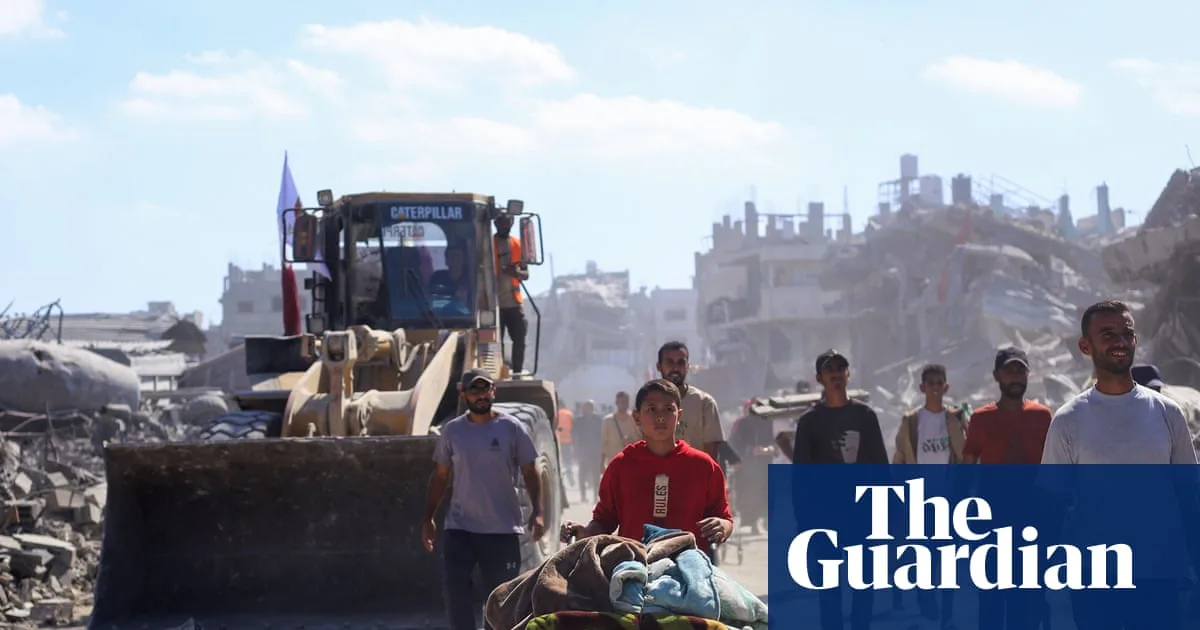
Israel and Hamas have traded accusations of ceasefire violations, with tensions mounting over the return of deceased hostages and the flow of humanitarian aid into Gaza. The ceasefire deal signed last week raised hopes of a surge in aid, but most restrictions remain in place, throttling the supply of desperately needed assistance.
Israeli officials said on Thursday that the Rafah crossing with Egypt would remain shut to individuals until Sunday at least, and may not open to humanitarian convoys at all. Aid agencies say opening Rafah is critical for bringing sufficient aid into the territory. The World Health Organization's regional director, Hanan Balkhy, called for more fuel, food, medical equipment and medics.
Israel accused Hamas of violating the ceasefire by failing to return the remains of deceased hostages. On Monday, Hamas returned the last 20 surviving hostages but handed back only nine of 28 deceased captives, saying it needed specialist recovery equipment to retrieve the rest from the ruins of Gaza. US advisers and the Red Cross noted significant practical difficulties in recovering remains amid the devastation.
Prime Minister Benjamin Netanyahu said on Thursday he was determined to ensure Hamas handed back the remains, adding that the fight 'is not over yet'. A senior Hamas official accused Israel of breaking the ceasefire by killing at least 24 people since Friday, handing a list of incidents to mediators. The Israeli military did not immediately respond but has previously said some Palestinians ignored warnings not to approach ceasefire positions.
Regional diplomats and US officials have sought to minimise the significance of the accusations, emphasising that both sides still appear committed to the ceasefire. Meanwhile, aid workers described Israel's continuing restrictions on aid as 'collective punishment', and UN officials said 200,000 metric tons of aid had been approved for entry once crossings reopen.




