
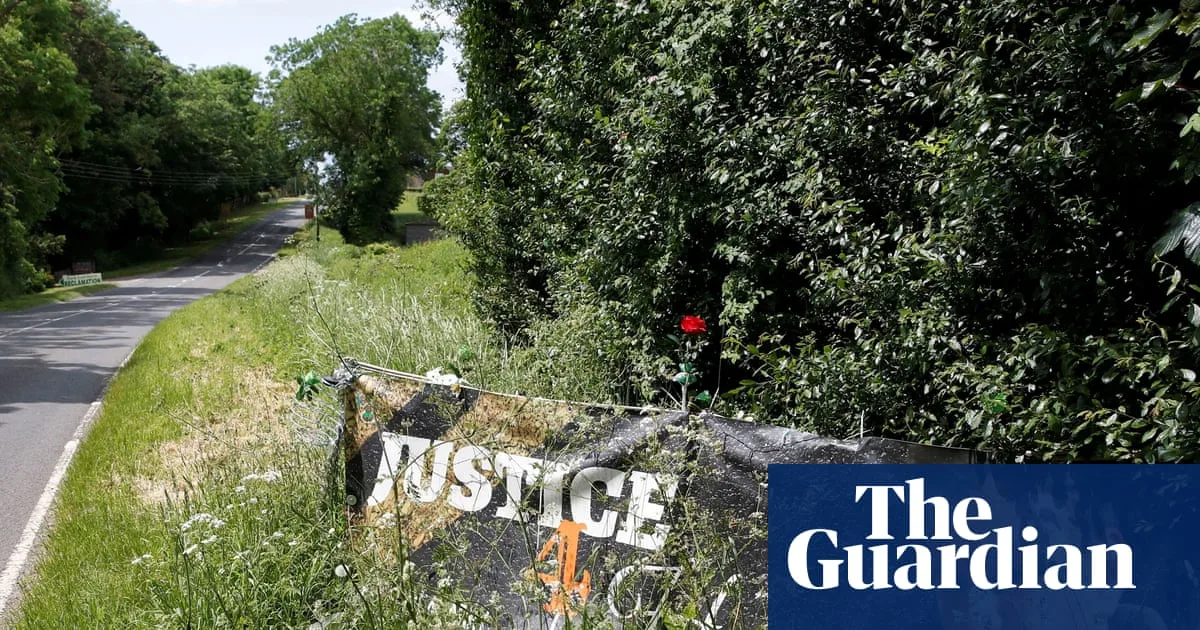
Foreign Office failings led to lost opportunities for justice in the case of Harry Dunn, an independent review has found. Dame Anne Owers concluded that ministers and senior officials were not involved early enough, meaning chances to influence events were missed. Direct communication with the family was late and sporadic, and the Foreign Office was slow to treat them as allies in the pursuit of justice.
Dunn, 19, was killed in August 2019 when his motorcycle was hit by a car driven on the wrong side of the road by Anne Sacoolas, wife of a US state department official based at RAF Croughton. Sacoolas, a US citizen, admitted responsibility but was allowed to leave the UK within days under a claim of diplomatic immunity, despite a 1995 agreement waiving immunity for direct employees of the base. The US argued the waiver did not apply to dependents.
The then foreign secretary, Dominic Raab, was not informed of the immunity dispute until the day after Sacoolas had left the country. Northamptonshire Police were also not told until the same day. Dunn's family were not informed by police of her departure until 26 September, nearly a month after the crash, having already deduced through their own sources that she had fled.
Owers described as 'extraordinary' the significant delay in elevating the case within the Foreign Office to enable senior representations to the US embassy. The review noted that the decision to tell the US government they should 'feel able' to put Sacoolas on the next flight home reflected reluctant recognition of the US decision, not agreement.
The report also criticised a disastrous first meeting between the Dunn family and Raab on 9 October 2019, which ended with some family members in tears. There had been no direct contact from the Foreign Office until five days before the meeting, and the family interpreted Raab's comments as a statement of defeat. Sacoolas was later convicted in the US of death by careless driving and undertook community service.




