
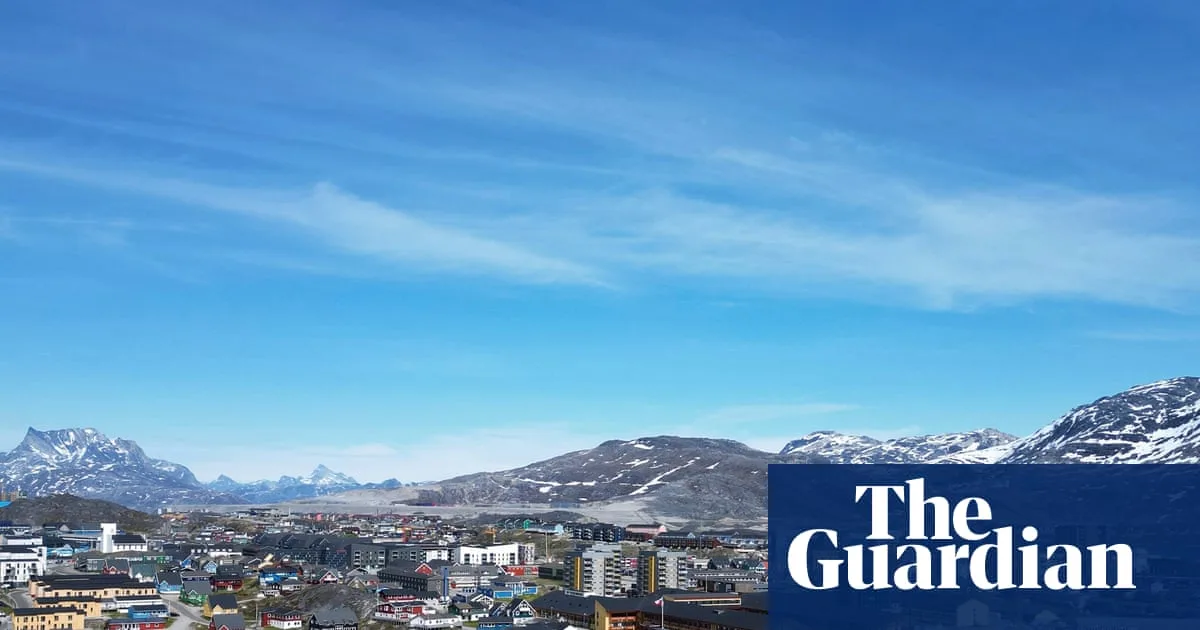
The Trump administration has repeatedly stated that the United States needs to gain control of Greenland, citing national security concerns and warning that it will take action “whether they like it or not”. This puts both the European Union and Nato in a difficult position, as Greenland is a largely self-governing part of Denmark, a member of both organisations.
European leaders have strongly defended the principles of sovereignty and territorial integrity, insisting that Greenland and Denmark have the right to decide their own future. However, there is currently no clear strategy on how to deter President Trump from pursuing his claim or how to respond if he makes a move.
Greenland is not a member of the EU, but Denmark is, and the Arctic island is covered by Nato’s defence guarantees through Denmark’s membership. This leaves the alliance with a complex diplomatic challenge, balancing deterrence with the need to avoid escalation.
Observers note that any unilateral US action would test the solidarity of both the EU and Nato, as member states would be forced to respond to an unprecedented challenge to one of their own territories. The situation remains fluid, with no concrete plan yet agreed upon.




