End Times Beliefs Fuel Iran Conflict in Washington and Tehran

End Times Beliefs Fuel Iran Conflict in Washington and Tehran

An overlapping belief in End Times prophecies, or the second coming, underpins much of the motivation in the corridors of power in Washington and in the bunkers where Iran's ayatollahs hide today. This shared religious fervor creates a dangerous ideological foundation for the ongoing military conflict.

Pentagon Leadership and Religious Conviction

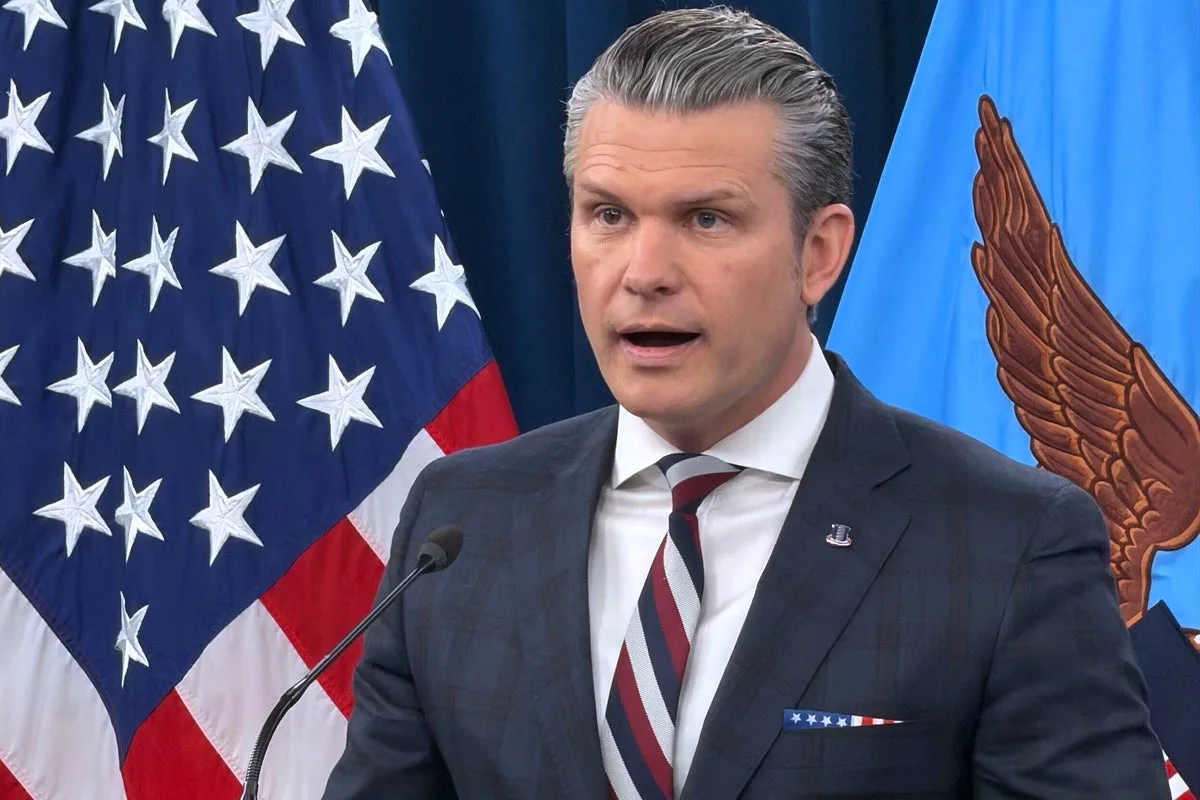
Pentagon boss Pete Hegseth has declared "we have only just begun" in Iran, where former President Donald Trump will have significant influence over the country's future leadership. America currently lacks a coherent plan for Iran's governance, with Trump admitting that Washington's preferred candidates to run Iran are now deceased, and other potential leaders may soon meet the same fate.

Senator Elizabeth Warren, speaking after an in-depth White House briefing on the war, described the situation as "much worse than that." The current conflict echoes previous military interventions where lessons went unlearned.

Wide Pickt banner — collaborative shopping lists app for Telegram, phone mockup with grocery list

Historical Parallels and Israeli Interests

The false justifications presented before the 2003 invasion of Iraq, and the subsequent incompetence in its execution, share ideological roots with current approaches to Iran. Hardline Israelis and their Christian evangelical supporters believe that toppling regimes like Saddam Hussein's Iraq and now Iran's theocracy is essential for preserving Israel's long-term security.

This perspective was formalized in the 1996 document 'A Clean Break - A New Strategy for Securing the Realm,' prepared for Benjamin Netanyahu by figures who later became influential in the Bush administration. These neoconservatives, including Douglas Feith and David Wurmser, collaborated with the Pentagon's Office of Special Plans to fabricate claims about Saddam Hussein's connections to al Qaeda and his nuclear weapons program.

Similar falsehoods now circulate about Iran's nuclear capabilities and threat level, despite evidence to the contrary. The United States shows little genuine concern for ordinary Iranians suffering under their government's oppression.

Strategic Chaos and Regional Consequences

Israel's agenda appears clear: create sufficient chaos in Iran that the country becomes unable to sponsor groups like Hezbollah, Hamas, or the Houthis, even if this means Iran collapses into civil war and Persian culture suffers irreparable damage. Prime Minister Netanyahu, influenced by Russian military strategist Valery Garazimov's theories about creating enemy disarray, seems willing to gamble regional stability for perceived security gains.

While Western oil companies might fantasize about accessing Iran's fossil fuels, and decent people worldwide might welcome the ayatollahs' removal, the current military campaign violates both U.S. and international law.

Religious Fanaticism on Both Sides

A disturbing religious fanaticism permeates the Trump administration, finding its mirror image among Iran's leadership. In 2018, Pete Hegseth delivered a speech in Jerusalem describing Israel's founding and subsequent victories as "miracles," and predicting another miracle: the rebuilding of the Jewish Temple on the site of Jerusalem's Haram al Sharif, sacred to Muslims.

This vision aligns with Christian End Times theology, which views temple reconstruction as essential for Christ's return, and with Jewish messianic expectations. Hegseth sports a Jerusalem Cross tattoo on his chest, a Crusader symbol adopted by far-right Christian nationalists, and genuinely believes in the righteousness of the U.S.-Israeli campaign against Iran.

Widespread End Times Belief in America

End Times philosophy enjoys significant political traction in America. According to a 2022 Pew Institute survey, 39 percent of Americans and 47 percent of evangelical Protestants believe we are living through the End Times. Two-thirds of evangelicals consider Trump's election part of a divine plan, and a Yougov poll found 43 percent of Americans believe in demons.

U.S. Ambassador to Jerusalem Mike Huckabee, an evangelical Christian, asserts that God gave Jews the "deeds" to Israel and would support Israeli expansion to the Euphrates River. Such beliefs baffle most Europeans, who view demonic narratives as entertainment rather than reality.

Pickt after-article banner — collaborative shopping lists app with family illustration

Iran's Messianic Expectations

Meanwhile, Iran's regime leaders operate under their own messianic framework. The country's constitution positions the Supreme Leader as preparing for the emergence of the hidden Mahdi (messiah). Preconditions for this emergence include the defeat of armies opposing the righteous, potentially explaining Tehran's refusal to engage in ceasefire talks.

This convergence of apocalyptic beliefs in Washington and Tehran creates a perilous reality where religious conviction overrides pragmatic diplomacy, with both sides viewing conflict through eschatological lenses that justify extreme measures.




