Cuba Initiates Mass Prisoner Release as US Eases Fuel Restrictions
Cuban authorities have commenced the release of over 2,000 prisoners, marking a significant humanitarian gesture during Holy Week. This move comes shortly after the United States eased its de facto oil blockade, permitting a Russian tanker to deliver crude oil to the energy-starved island nation.
Emotional Scenes at La Lima Prison
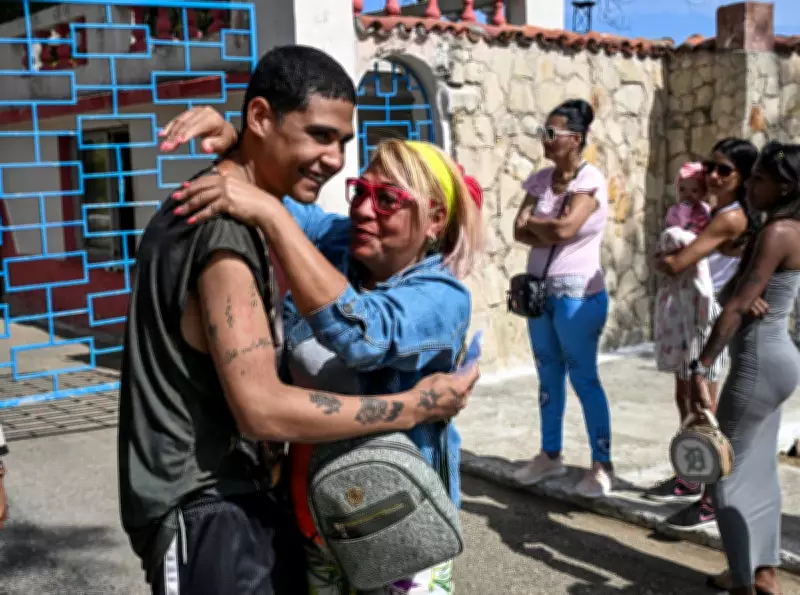
On Friday, more than twenty inmates emerged from La Lima penitentiary in east Havana, clutching their release documents. Emotional reunions unfolded as prisoners embraced relatives who had waited anxiously throughout the morning. Albis Gainza, a 46-year-old who had served half of a six-year sentence for robbery, expressed profound gratitude for the opportunity. "I couldn't sleep after learning I would be released," Gainza told AFP, adding, "This needs to keep going... [and] more are released."
Government Announces Humanitarian Pardon
The Cuban government announced late Thursday its decision to pardon 2,010 inmates, describing it as a "humanitarian" act aligned with Holy Week observances. This marks the second such release in less than a month, occurring amid heightened pressure from the United States. The government clarified that releases would exclude individuals convicted of serious crimes including murder, sexual assault, drug-related offenses, theft, illegal livestock slaughter, or crimes against authority.

Strategic Timing Amid US-Cuba Talks
The prisoner release follows recent diplomatic discussions between Washington and Havana, with Cuba having pledged last month to free dozens of individuals. Michael Bustamante, chair of Cuban studies at the University of Miami, noted, "It seems not far-fetched to think that this is a sign that some of the conversation between both governments is advancing. Perhaps slowly, but advancing." He emphasized the need to examine who is included in the releases to assess their political significance.
US Demands and Russian Involvement
The Trump administration has consistently called for political reforms in communist-run Cuba, with President Donald Trump even speculating about "taking" the island. The recent easing of the fuel blockade, allowing a Russian tanker to reach Cuba, appears strategically timed. Bustamante highlighted this connection, suggesting, "One is tempted to draw the conclusion or wonder if the Trump administration's decision to let in a Russian ship... may or may not be related here." Russia has since announced plans to send a second oil tanker to Cuba.
Criteria and Context of Releases
The Cuban government has not disclosed specific names, crimes, or release schedules for the pardoned inmates. Selections were based on factors including the nature of offenses, good behavior in prison, health considerations, and time served. The release will prioritize young people, women, and prisoners over sixty years old scheduled for early release within six months to a year. This initiative represents the fifth mass pardon since 2011, totaling over 11,000 individuals freed.
International and Domestic Reactions
US Secretary of State Marco Rubio, a Cuban-American critic of Havana's government, reiterated demands for systemic change. "You cannot fix their economy if you don't change their system of government," Rubio stated on Fox News, adding, "But they're in a lot of trouble, there's no doubt about it, and we'll have more news on that fairly soon." The release also includes foreigners and Cuban citizens living abroad sentenced in absentia, broadening its humanitarian scope.
Historical Precedents and Future Implications
This latest pardon follows Cuba's March 12 announcement to free 51 prisoners as a "good will" gesture toward the Vatican, which has mediated between Washington and Havana. President Miguel Díaz-Canel confirmed subsequent talks with US officials. As Cuba navigates economic challenges and diplomatic pressures, these prisoner releases may signal evolving negotiations, though their long-term political impact remains uncertain amidst ongoing calls for reform.