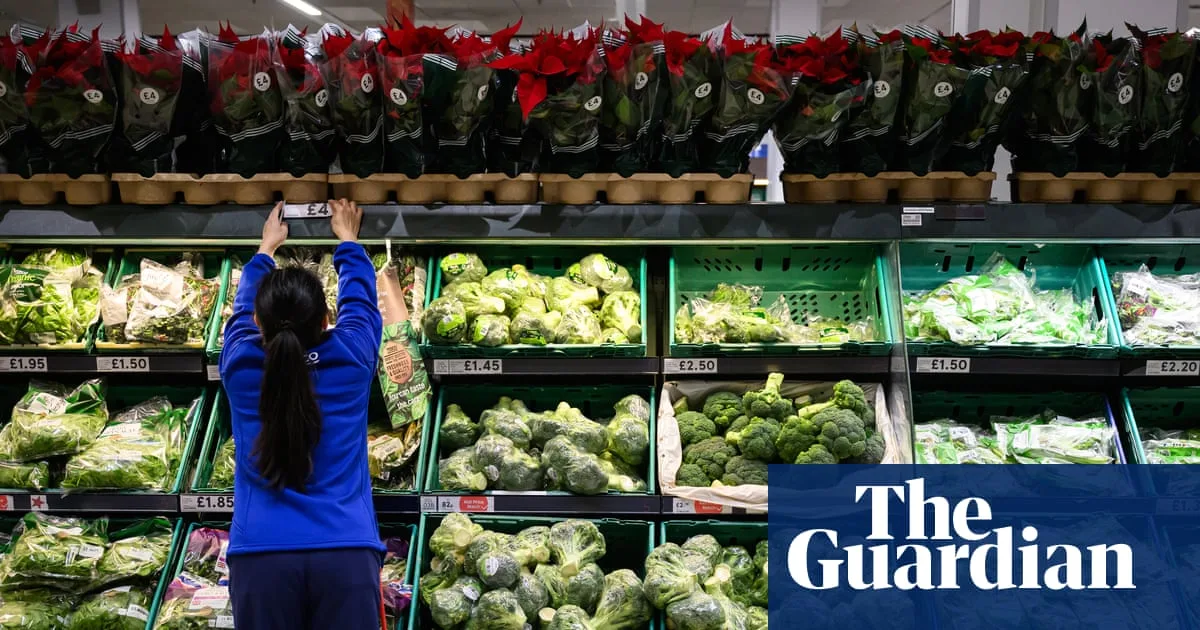
Britain is “sleepwalking into a food crisis” caused by extreme weather, inflation and the impacts of the Iran war – and the government is failing to take the threat seriously, food experts have said.
Farmers are facing severe strain from the current heatwave following a dry spring, with many crops likely to yield less as temperatures rise beyond their tolerance. Livestock are also suffering heat stress and there is a rising risk of wildfires. Economic losses are likely to be measured in the hundreds of millions of pounds.
Food prices were already on track to be 50% higher this November than they were five years ago, and the current weather – with more heatwaves likely to follow in the summer, when temperatures could top 40C – is adding to the inflationary pressure. Even if the Iran war is resolved soon, fuel and fertiliser prices will stay high until the supply crunch through the strait of Hormuz can be eased.
A group of food experts have written to ministers this week calling for the national food strategy to be updated to take account of the risks and prepare the UK for a future of higher temperatures and more severe weather. The nine signatories include Mike Barry, Anna Taylor and Lee Stiles, who highlighted three priorities: resilient domestic production of healthier food; greater preparedness for supply chain shocks; and access for all to safe, affordable and healthy food.
Tim Lang, a professor emeritus of food policy at City St George’s, University of London, said the government’s current strategy amounted to little more than “business as usual” and that warnings were not being heeded. “This government has received serious scientific, intelligence and policy advice that it should take significant action on food security, but it keeps signalling all is OK. It’s not,” he said.
Richard Nugee, a retired general who also signed the letter, told the Guardian that food security should be a top-level national security concern. “There’s the potential for food to be reduced in quantity through heat domes over grain baskets. The food chain is also being more damaged by war and the inability of people to export to us and us to import food. Farmers in the UK are also struggling really hard,” he said.