
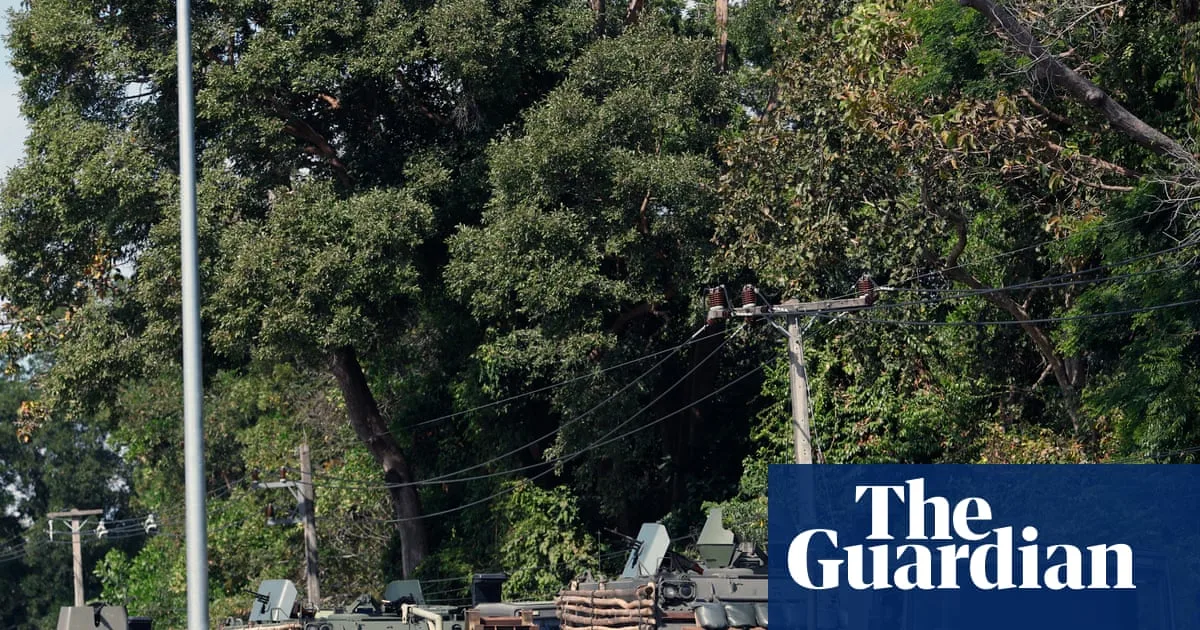
Thailand's caretaker prime minister, Anutin Charnvirakul, has denied the existence of a ceasefire with Cambodia, contradicting an announcement by US President Donald Trump that both countries had agreed to halt fighting. Speaking on Saturday, Anutin said Thai forces would continue military operations until they felt no further threats to their land and people.
Heavy clashes persisted along the border, with Thai forces carrying out strikes including fighter jets, while Cambodia fired rocket barrages. Cambodia announced it had suspended all border crossings with Thailand. The Thai army reported at least two civilians seriously injured by Cambodian fire while running to a bunker.
The latest fighting was triggered by a clash on 7 December that wounded two Thai soldiers and appeared to violate an earlier ceasefire promoted by Trump that ended similar fighting in July. Over the past week, more than two dozen people have reportedly been killed, and over half a million displaced on both sides. The Thai military said 15 of its soldiers had died and estimated 165 Cambodian military personnel killed. Cambodia did not announce military losses but said at least 11 civilians had been killed and more than six dozen wounded.
Trump announced the ceasefire agreement on Friday after calls with Anutin and Cambodian Prime Minister Hun Manet, writing on his Truth Social platform that they had agreed to cease all shooting effective that evening. However, neither leader referenced the agreement in their statements. Thailand's foreign minister, Sihasak Phuangketkeow, said Trump's remarks did not reflect an accurate understanding of the situation, expressing disappointment given Thailand's status as the oldest treaty ally of the US in the region.
Anutin said peace would depend on Cambodia ending its attacks first, and that Thailand had not entered into negotiations over a Malaysian proposal to monitor a ceasefire. Cambodia's Prime Minister Manet endorsed the proposal, which included having Malaysia and the US monitor the ceasefire, but Thailand denied involvement. The roots of the conflict lie in competing territorial claims stemming from a 1907 map created under French colonial rule, which Thailand maintains is inaccurate, and a 1962 International Court of Justice ruling awarding sovereignty to Cambodia.




