Australia Contemplates Defensive Military Support in Middle East as Regional Tensions Escalate
Foreign Minister Penny Wong has publicly acknowledged that Australia could potentially assume a military support role in the Middle East as regional tensions continue to intensify. This statement comes in response to direct requests from several nations seeking Canberra's assistance in defending against Iranian drone and missile attacks.
Direct Requests from Affected Nations
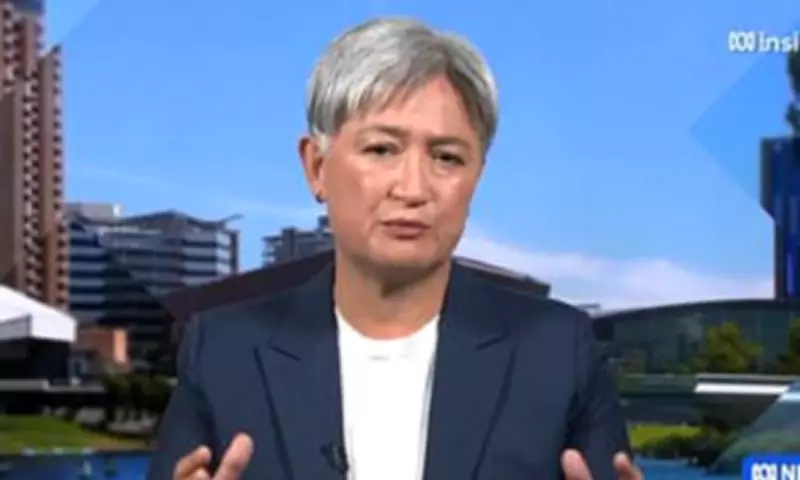
Speaking during an interview on ABC's Insiders program on Sunday, Wong revealed that Australia has already received specific and direct requests from countries impacted by Iran's recent aggressive strikes. While she did not disclose the identities of these nations, her confirmation underscores the growing international concern over the escalating conflict in the region.
Defensive Cooperation Remains a Possibility
Minister Wong was careful to delineate the boundaries of any potential Australian involvement. She explicitly ruled out participation in any offensive operations, making it clear that Australia would not engage in actions that could be perceived as aggressive or provocative. However, she emphasised that defensive cooperation remains firmly on the table as a viable option for consideration.

'We have been asked, and we will consider it in accordance with the principles I've outlined,' Wong stated during the broadcast. 'If a decision is made, I'm sure we will be transparent with the Australian people.'
Principles Guiding Australia's Response
The Foreign Minister outlined that any decision regarding military support would be guided by strict principles, likely focusing on defensive postures, international law, and Australia's national security interests. This cautious approach reflects the complex geopolitical landscape of the Middle East, where alliances and conflicts are deeply intertwined.
Wong's remarks highlight the delicate balancing act Australia faces in responding to international calls for assistance while maintaining its commitment to regional stability and avoiding further escalation. The situation demands careful diplomatic navigation, as any military involvement, even if defensive, could have significant implications for Australia's foreign relations and security posture.
The acknowledgment of these requests marks a pivotal moment in Australia's foreign policy discourse, potentially signalling a shift in how Canberra engages with Middle Eastern security challenges. As tensions persist, the Australian government's forthcoming decisions will be closely monitored by both domestic observers and the international community.