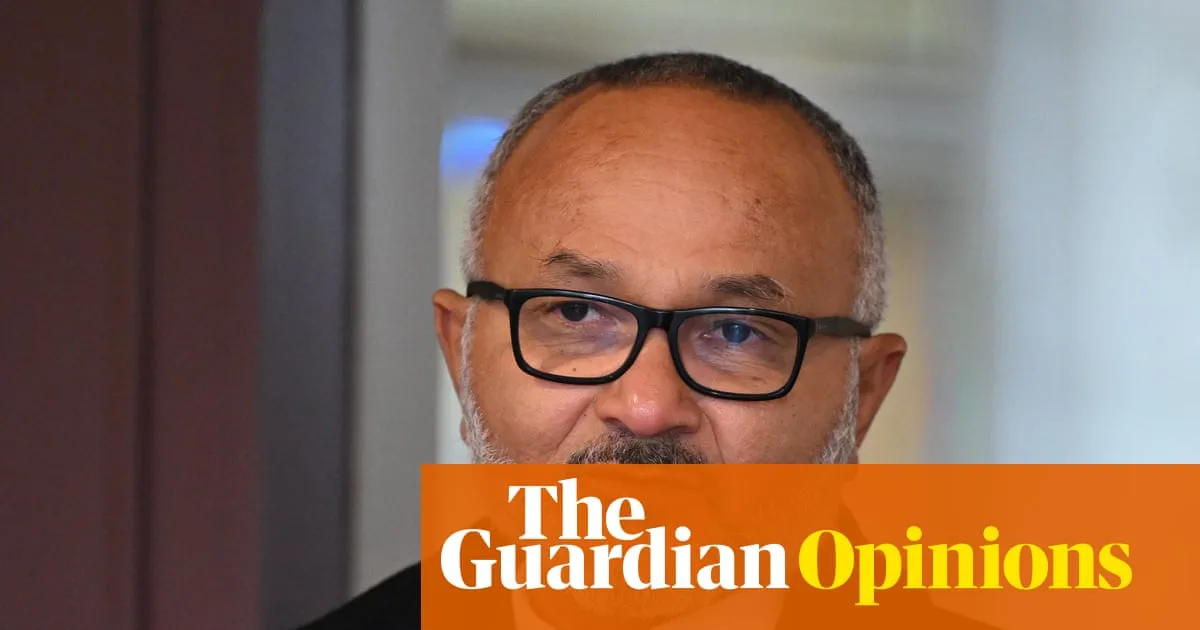
When Matthew Wale became Solomon Islands' prime minister last month, the immediate questions focused on Beijing and Canberra: What does this mean for China? Is it good news for Australia? Will Wale tear up the 2022 security pact with China? This framing treats a change of government in Honiara primarily as a development in Australia's competition with China – a mistake Australia should not repeat when Wale meets Anthony Albanese on Wednesday.
Wale's choice of Canberra as his first official destination is being read as a signal that Solomon Islands is tilting back toward Australia. But his predecessor, Jeremiah Manele – a key figure in negotiating the 2022 pact and a reliable Beijing ally – also made Australia his first stop in June 2024. Wale has criticised the security pact as “counterproductive” and called for transparency on Chinese police deployments, but his scepticism has softened. He led a delegation to Beijing last year, affirmed the one-China principle, and said he will only “look at” the pact rather than dismantle it. His appointment of former prime minister Rick Hou as foreign minister suggests he intends to manage, not rupture, ties with Beijing.
Australia has been called out by Wale for viewing Solomon Islands primarily through a geopolitical lens. When Australia donated rifles to the Royal Solomon Islands police force in 2022 – widely seen as a counter to China's police engagement – Wale said: “It is clear Australia is anxious that if they do not supply guns the China will. Geopolitical interests have surpassed national interest in this country.” He previously warned Australia risked behaving like an “ATM machine”, expecting influence to flow automatically from transactions rather than investing in genuine trust.
The concern is not that Australia has been too present, but that too much of that presence has been shaped by what Australia wants to keep China out of, rather than what Solomon Islands actually needs. Vanuatu's PM Jotham Napat made a similar point, stalling Australia's Nakamal agreement over sovereignty concerns. Australia has demonstrated it can be a more effective partner: Australian-supported health programs helped drive malaria down dramatically in the 2000s and early 2010s by focusing on what Solomon Islanders needed, not on signalling to Beijing.
The model Australia should aim for is its relationship with Papua New Guinea. The Pukpuk treaty, signed in 2025, is Australia's most significant security commitment in decades. What made it achievable was not the security arrangement itself but the breadth of the relationship – partnerships across health, education, infrastructure and sport. PNG PM James Marape described the treaty as a product of “geography, history, and the enduring reality of our shared neighbourhood” – not geopolitics.
Wednesday's meeting is an opportunity to start building something similar. Wale governs on a slim majority, managing a fractious coalition while confronting pressures unrelated to Beijing: a young underemployed population, a buckling health system, a declining logging industry, and public debt that has nearly tripled since before the Covid-19 pandemic. Australia must be the partner Solomon Islands needs, not just a counter to China.