
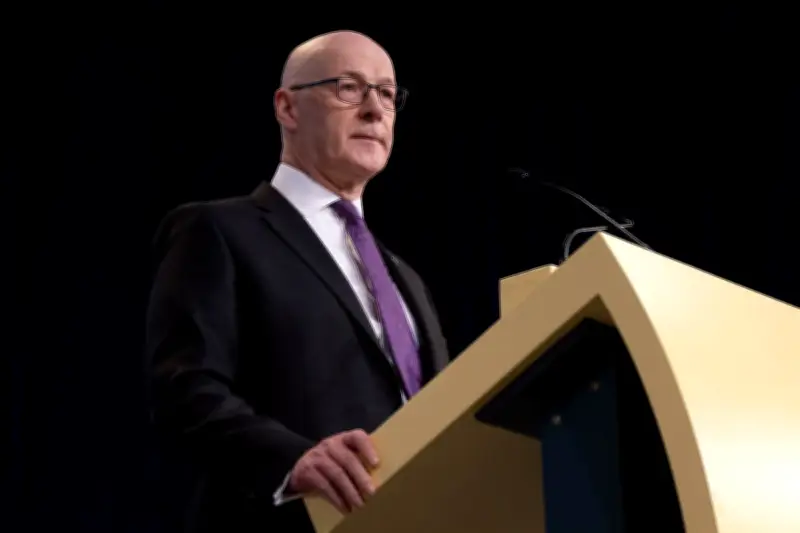
Scotland's First Minister John Swinney has backed the rules allowing foreign nationals with no permanent permission to stay in the UK the right to stand in Scottish elections.
The stance puts him at odds with Holyrood's Standards, Procedures and Public Appointments Committee, which called for the Scottish Government to reconsider its position. The committee warned that allowing non-UK nationals with limited leave to remain the right to stand in elections could "undermine trust in the democratic process".
Row Over Green MSP Election
A row around the rules came to the fore following the election of Green MSP Q Manivannan, who was elected to the Scottish Parliament on a student visa in May, having only gained a graduate visa once elected. The politician, from India, will still have to apply for a global talent visa during this Parliament.
In response to criticism, Mr Manivannan said that Scotland "is my home and I'm not going anywhere". MSPs voted cross party to extend the rights of foreign nationals in 2024 as part of a series of reforms.
First Minister's Position
Asked by the Press Association whether those with temporary stay in the UK should be allowed to run in Scottish elections, Mr Swinney said: "In the circumstances that Parliament has legislated for, they should be able." Pressed on whether he agreed with the current rules, he said: "I agree with them, yes."
The law around non-UK citizens in elections is being re-examined after the Scottish Local Government Elections (Candidacy Rights of Commonwealth Citizens) Bill was tabled. Ministers are aiming to fix an error that meant Commonwealth citizens were accidentally excluded from the extension of election candidacy rights.
The First Minister said: "Parliament legislated for the ability of foreign nationals in certain circumstances to be able to stand for election, and did so unanimously in 2024. There was a gap in that legislation, which was that the circumstances of Commonwealth citizens were not taken into account in that legislation. That's what the Government's legislation is going to remedy, and the Government will pursue that."
Committee Concerns
Jenni Minto, an SNP MSP and the convenor of the Standards Committee, warned about the impact the rules could have on public trust. She said: "We know that this trust is fragile, and so careful consideration needs to be given to all electoral reform that come before us. The changes that allowed people with limited leave to remain to stand for election should be reconsidered. They appear to have run ahead of what the public want and the rationale for making the change is simply not clear. The changes proposed by this Bill risk entrenching a policy that instead needs looked at again."
The Standards Committee said it did not accept the premise that there should be a general right for non-UK citizens with limited leave to remain to be councillors or MSPs. The report warned that "special care is required in relation to any electoral reforms that may risk undermining trust in the democratic process". During the committee's consideration of the Bill, it heard that Scotland's position in allowing people with limited leave to remain to stand for election makes it a relative outlier in this area.
The Greens said: "There are thousands of people with limited leave to remain who live and work in Scotland and have made a home here, including Commonwealth citizens. They should be able to stand for our parliament and councils. MSPs backed this change unanimously at the time, including the convenor and deputy convenor of the committee. It would be a regrettable backwards step for representation and democracy if Scotland was to roll back on this commitment."




