The Scottish Government has launched a new advertising campaign urging boys and young men not to share or interact with misogynistic content online, with the warning that "sexist content is never harmless".
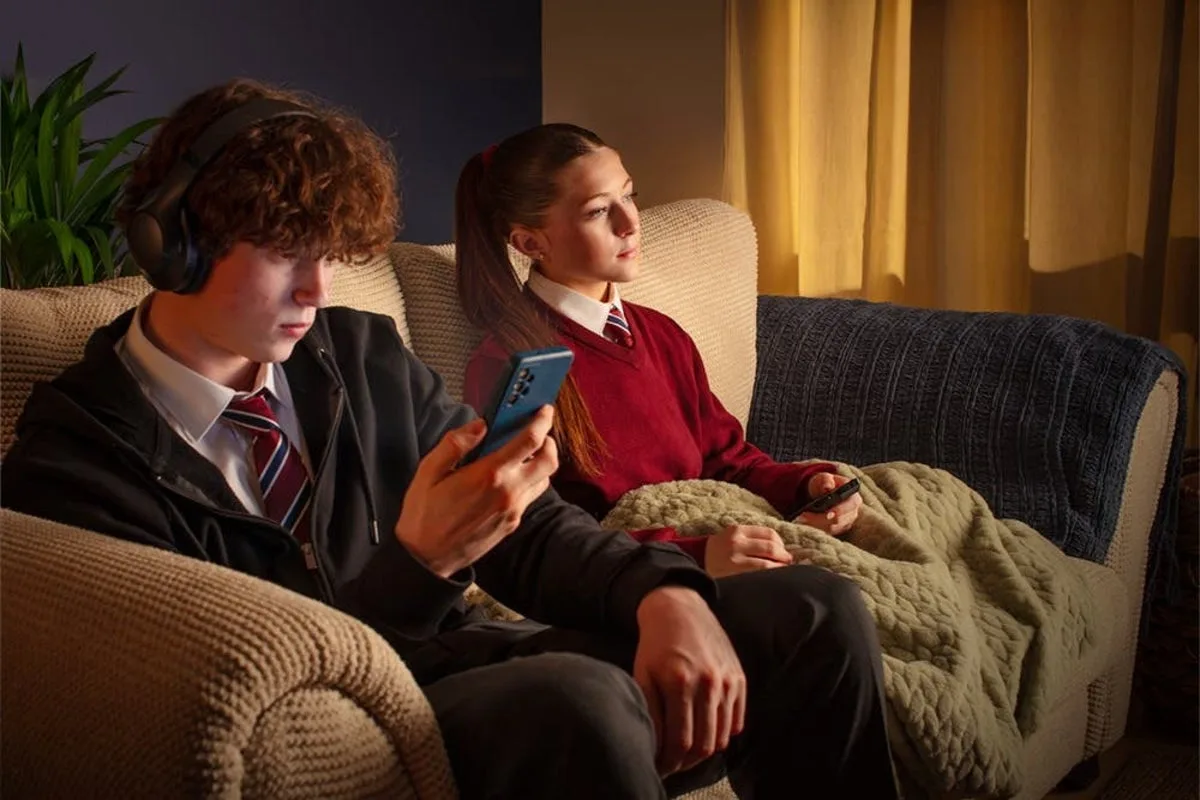
The five-week campaign will feature on online channels including Instagram, Snapchat, Twitch and YouTube, as well as outdoor advertising. One of the short video clips shows a boy sitting on a couch watching a video on his phone of a character speaking into a podcaster-style microphone. A voiceover says the warning, as emojis on the phone change to become the face of an upset girl resembling the person sitting beside him.
First Minister John Swinney said social media plays a significant role in most young people's lives, and the rise of online misogyny means boys and young men often see harmful content even when not searching for it. He said the campaign is designed to make them aware of the impact of sexist content and how interacting with it can harm the women and girls they know, including sisters, friends and classmates.

"By choosing not to like, share or comment on sexist content online, boys and men can help stop it spreading," he added. Mr Swinney said ministers will do everything they can to eradicate violence against women and girls.
Rebekah MacLeod, project lead for White Ribbon Scotland, said everyone has a role to play in ending violence against women and girls, but especially men and boys. She noted there is often a disconnect in understanding how online content impacts behaviour. "In an online world shaped by algorithms and increasingly divisive and dangerous narratives, harmful attitudes can be normalised, reinforced, and rewarded at speed and scale," she said, adding the campaign empowers men and boys to choose not to engage or share harmful content.