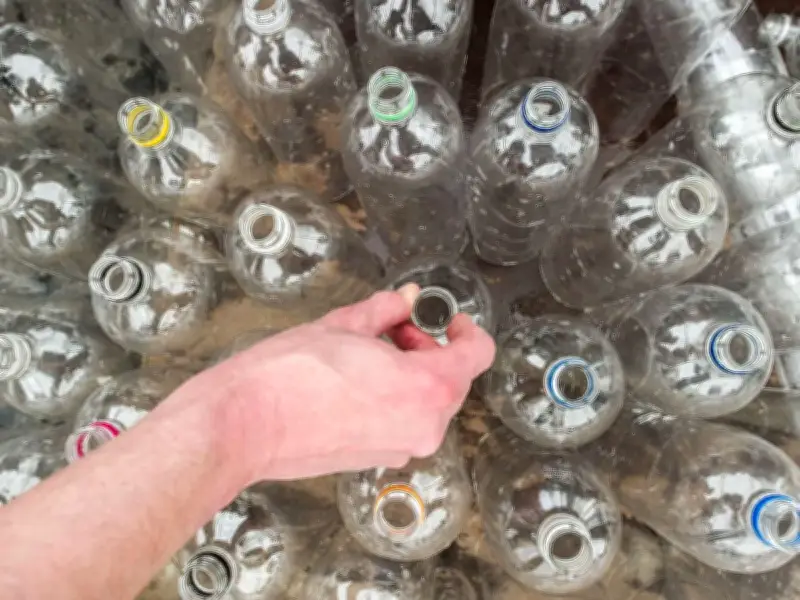
Reform UK Senedd member Louise Emery has criticised the Welsh Government's planned Deposit Return Scheme, arguing it will burden consumers and businesses rather than reduce litter. Writing for the party, the Clwyd MS and shadow minister for culture, tourism, sport and hospitality said Plaid Cymru is "ploughing ahead" with the scheme despite warnings from industry leaders, local authorities and the public.
Recycling record questioned
Emery noted that Wales is already ranked second in the world for recycling, with a rate of 68.4% in 2024-25 and 92% recycling for kerbside glass collection. She questioned what the new system would achieve that existing arrangements do not.
The scheme would add an extra 20p per can or bottle at the point of purchase, meaning a 12-pack of lager would cost an additional £2.40. Consumers would need to return empty containers to participating retailers and use specialised return machines to receive a refund via a paper voucher with a barcode.
Impact on vulnerable households
Emery highlighted the practical difficulties for some people, such as pensioners who do not drive and may have to use public transport to return bottles and cans. She argued the scheme "attacks the poorest in society in the name of reducing litter," as households on tight budgets cannot easily write off the additional cost.
She also raised concerns about existing waste collection contracts. Removing drinks containers from kerbside recycling could affect the commercial value of recyclable materials and potentially lead to higher collection costs for councils, which could ultimately be passed on to taxpayers through higher council tax.
Hospitality sector concerns
Emery said pubs and hospitality businesses, already struggling with rising costs and falling customer numbers, would face additional administrative and financial burdens. They would need to manage the collection and storage of empty containers, handle refunds and decide whether to pass costs on to customers.
She also questioned what would happen to unredeemed deposits, noting that in Ireland similar schemes have generated substantial sums. Emery called for transparency about how unreclaimed deposits would be spent in Wales, adding that the decision is not in the hands of elected representatives.
The MS criticised the Welsh Government's decision to include glass in the scheme, diverging from England, and cited the Welsh Integrated Impact Assessment, which estimated a return-to-shop model could increase transport emissions in Wales by 316,000 tonnes of CO2. She noted Wales accounts for 4.6% of UK drink sales and warned that separate barcodes for such a small market could lead to higher prices or providers leaving the market.
Emery concluded that people in Wales should not have to pay more, travel further and face more obstacles because of decisions made in Cardiff Bay, and called for a pause and review of the entire scheme across England and Wales.