In September 1939, an Army officer arrived in the isolated mid-Wales area of Mynydd Epynt. By Christmas, every farm received notices ordering the 200-plus residents to leave by April 1940. The Ministry of Defence had claimed 30,000 acres for a training facility, citing wartime necessity.
The community, predominantly Welsh-speaking, had farmed the land for generations. They appealed to the MoD, briefly believing they had swayed the decision. But as Nazi Germany swept across Europe, London rejected their pleas. The 54 farming families were forced to relocate, many far from the region.
Residents clung to hope of return. One man, Thomas Morgan, regularly returned to light a fire in his hearth to protect the stonework. Soldiers eventually told him: 'We've blown up the farmhouse. You won't need to come here anymore.' Bethan Price, a descendant, said her great-grandmother left a key in the door, never relinquishing hope.

By June 1940, the school and chapel closed. On 1 July, heavy artillery bombardment began. Elwyn Davies, then aged 10, recalled his grandmother's forced move: 'Just a week after she left, they flattened her house. They flattened everything.'
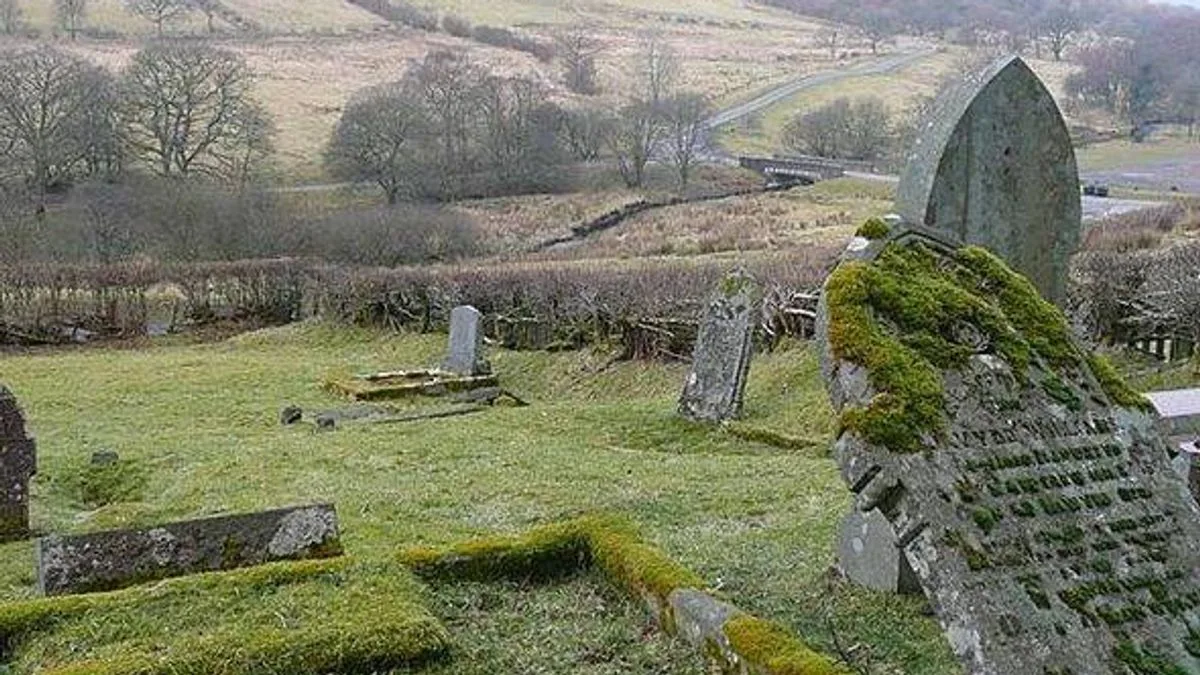
Today, the MoD still owns the land as the Sennybridge Training Area. Almost all buildings are destroyed, but The Drovers Arms pub and the cemetery's headstones remain as traces of the lost community.