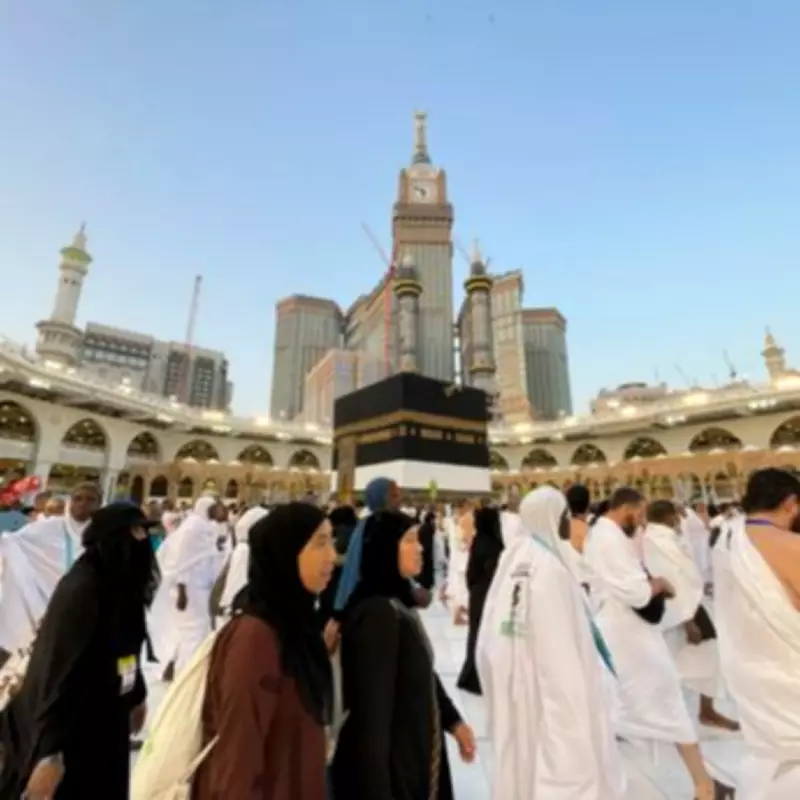
Muslims across the globe are days away from arriving in the holy city of Mecca, where nearly two million worshippers will embark on the sacred annual Hajj pilgrimage. Hajj is one of the Five Pillars of Islam, making it a mandatory religious duty for all adult Muslims who are physically and financially able to perform the pilgrimage. This journey must be undertaken by every eligible Muslim at least once in their lifetime. Hajj symbolises unity and devotion, offering Muslims a chance to seek spiritual purification and strengthen their faith.
What is Hajj?
Hajj takes place every year during Dhul Hijjah, the final month of the Islamic calendar. Millions of Muslims from around the world travel to Mecca to participate in this pilgrimage, which is considered a core act of worship and one of the Five Pillars of Islam. Every adult Muslim must perform this religious duty at least once in their lifetime, provided they are physically and financially able.
When does Hajj take place this year?
Hajj occurs during the 12th and final month of the Islamic year, called Dhu al-Hijjah. The pilgrimage takes place between the 8th and 12th (or 13th) of Dhul-Hijjah. When the new crescent moon is sighted, Eid al-Adha begins, lasting for four days. This year, observers in Saudi Arabia officially confirmed the sighting of the Dhul Hijjah crescent moon on Sunday. This means the month of Dhul Hijjah began on Monday, and Hajj will take place from May 25 this year. While Hajj does not officially begin until next Monday, many pilgrims arrive in Saudi Arabia weeks ahead of time to prepare for the event. The exact date of Hajj moves by about 10–11 days each year because the Islamic world follows a lunar calendar based on cycles of the moon.

How do pilgrims perform Hajj?
Over five to six days, pilgrims perform a number of rituals in and around Mecca as part of Hajj. First, before arriving, pilgrims prepare and meditate on their intention (niyyah) to perform the Hajj. Then it is time to enter the spiritual state of Ihram, or ritual purity. This involves strict rules about clothing: men wear two simple white, unstitched cloths, while women usually wear loose-fitting clothing. This ensures that when over 2.5 million pilgrims arrive in Mecca, there is no outward distinction between them, symbolising everyone’s equality.
Pilgrims then walk seven times anti-clockwise around the Kaaba, the black stone building at the centre of Islam's most important mosque and holiest site, in an act of worship and devotion known as Tawaf. After performing Tawaf, pilgrims complete Sa’i, a ritual in which they walk and run between the two hills of Safa and Marwa. This commemorates Hajar’s search for water in the desert and the ongoing struggle encountered in everyday life.
The apex of the Hajj pilgrimage occurs on the 9th day of Dhul Hijjah, when pilgrims congregate on the plain of Arafat to stand in prayer, seeking God's forgiveness, mercy, and guidance. Next, the overnight stay in Muzdalifah allows pilgrims to collect pebbles for the next ritual: the symbolic stoning of the devil, known as Rami. This ritual takes place at three stone pillars in Mina and symbolises the rejection of evil. Following Rami, an animal sacrifice is offered in remembrance of Abraham’s willingness to sacrifice his son. The meat is shared with fellow pilgrims and those in need in a communal feast.
At the conclusion of Hajj, pilgrims return to the Kaaba to perform the Tawaf Al-Ifadah, marking the culmination of the primary rituals.