
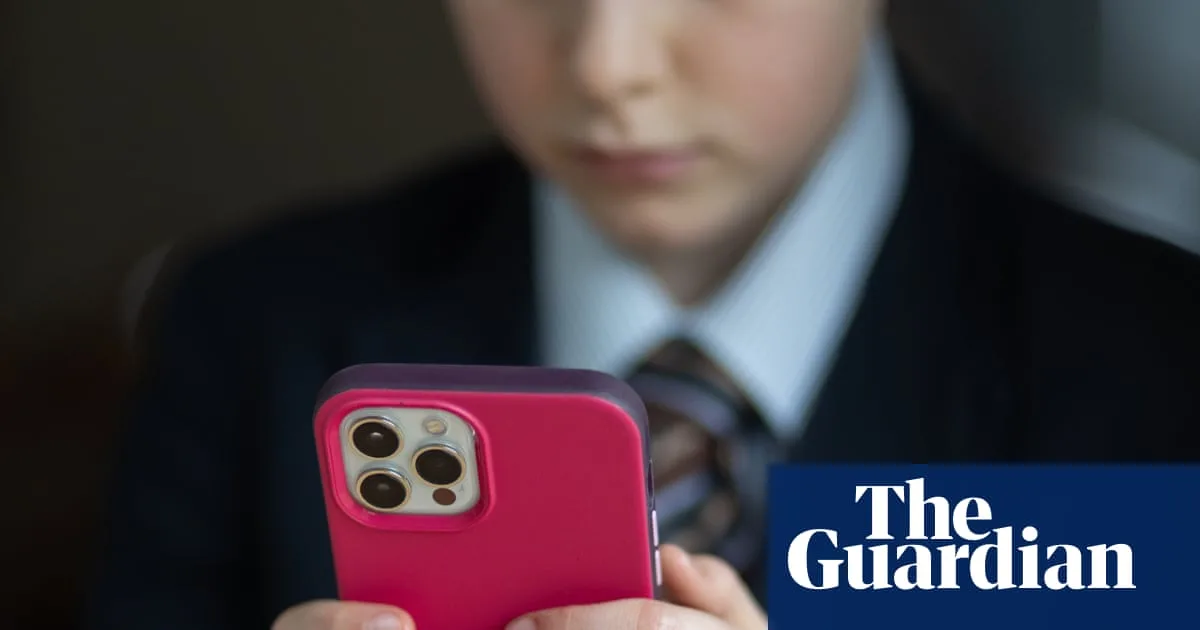
The UK government has announced it will introduce a statutory ban on mobile phones in schools across England, replacing existing guidance with a legal requirement. The move comes as an amendment to the children’s wellbeing and schools bill, currently stalled in the House of Lords.
Education minister Jacqui Smith confirmed the decision on Monday, stating: “We recognise the strength of feeling on this issue, both in this house and beyond.” The government had previously resisted a legal ban, arguing that most schools already prohibited phones, but described the amendment as “a pragmatic measure” to advance the bill.
The bill is considered a major child protection overhaul, including proposals for a compulsory register of children not in school, a crackdown on profiteering in children’s social care, and a single identifier for tracking welfare. Pepe Di’Iasio, general secretary of the Association of School and College Leaders, noted that most schools already have policies in place, but called for government funding for secure storage solutions.
Research from the children’s commissioner found that 99.8% of primary and 90% of secondary schools already restrict mobile phone use. However, some headteachers welcome the legal clarity, especially when facing parental challenges. The Department for Education stated that the amendment “gives legal force to what schools are already doing in practice.”
Opposition parties criticised the government’s initial reluctance. A Liberal Democrat spokesperson claimed credit for the ban, saying they “dragged the government kicking and screaming” to adopt it. The Conservatives and Liberal Democrats had blocked the bill in the Lords, prompting accusations from the government of undermining child protection.




