

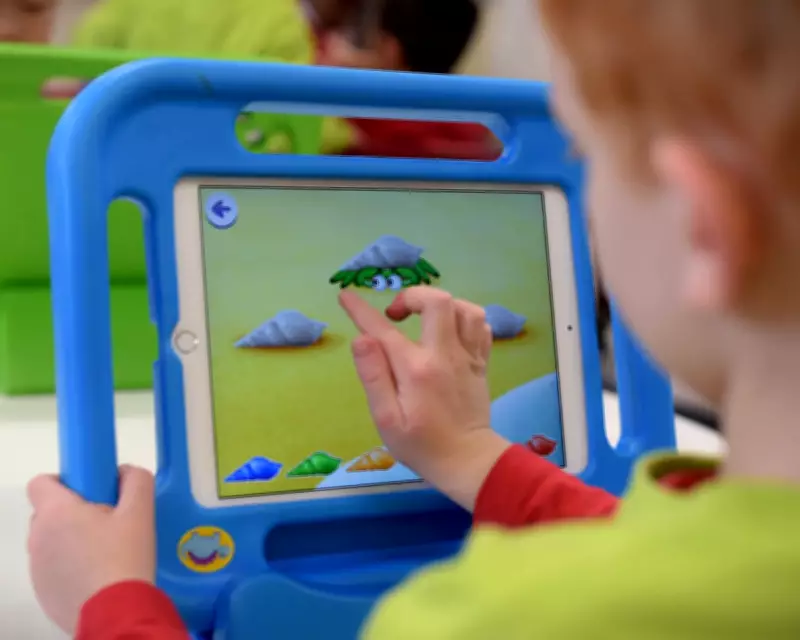
Screens as Educational Tools: A Teacher's Perspective
In response to recent debates, a teaching assistant has firmly rejected claims that technology is not being used thoughtfully in classrooms. As a professional with roles including play coordinator and forest school leader at a primary school, they assert that screens are already integrated in a purposeful and mindful manner, much like traditional blackboards were in the past.
Enhancing Lessons with Technology
Lessons are meticulously planned and delivered by teachers using screens as tools, not replacements for human interaction. This approach saves valuable time, allowing for more efficient teaching. Additionally, it enriches children's education through multimedia elements such as video clips, photographs, and sounds, which broaden their learning experiences.
Fostering Oral and Hands-On Skills
Children are actively encouraged to contribute orally in most lessons, particularly in schools participating in initiatives like the Voice 21 oracy programme. This program embeds oracy throughout the curriculum, ensuring that communication skills are developed alongside academic knowledge. Hands-on exploration remains a cornerstone in subjects like science, art, IT, history, geography, and maths, where manipulatives and practical activities are used to reinforce concepts.

Promoting Outdoor and Play-Based Learning
The Opal (outdoor play and learning) programme is gaining traction, providing children with exciting, varied, and child-initiated play opportunities. This initiative helps restore play experiences that have been diminished by societal and parental changes, empowering children to collaborate, solve problems, manage risks, and engage in creative, freely chosen activities.
Furthermore, some schools offer forest school programs, which emphasize play-based learning in natural outdoor settings with minimal resources. These environments allow children to use their imaginations, learn practical skills, and handle tools, fostering holistic development.
Valuing Children in the School Community
At the heart of these educational practices is a commitment to valuing children as integral members of the school community. While acknowledging that the education system has flaws, the teaching assistant emphasizes that screens and the dedicated staff who nurture students are not among the issues. Instead, technology serves as a supportive tool that complements traditional teaching methods and enriches the overall learning experience.






