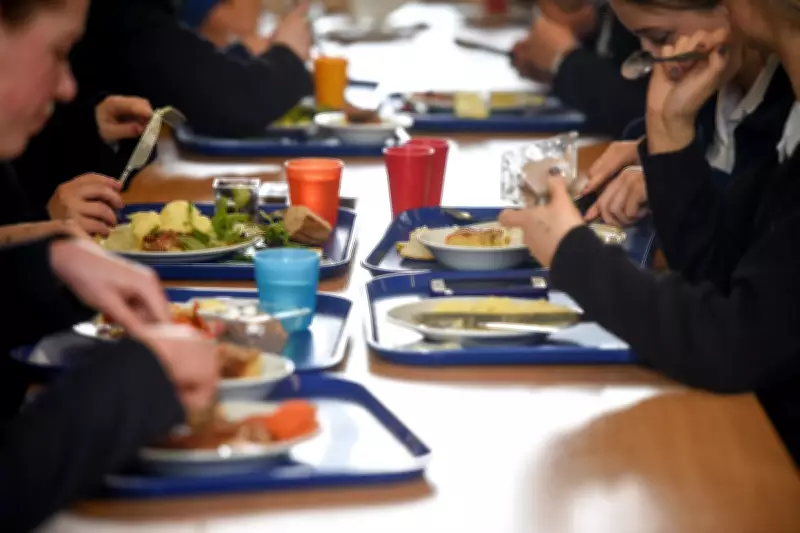
School Nugget Ban Sparks Fear for Neurodivergent Children's Meals
The government's planned overhaul of school dinners in England, set to take effect from September 2026, is causing significant anxiety among parents of neurodivergent children. The changes will eliminate all deep-fried items from menus, including popular options like chicken nuggets, and restrict breadcrumbed or battered foods to once a week. This move has sparked particular concern for pupils with Special Educational Needs and Disabilities (SEND), who often depend on predictable, beige foods for their daily nutrition.
A Personal History of Food Anxiety
Victoria Richards, a parent and writer, recalls her own traumatic experiences with school meals in the early 1990s. She vividly remembers being forced to sit in front of a bowl of beetroot by a well-meaning teacher who insisted she couldn't leave until she ate it. "I'd have rather chewed off my own arm and eaten that," she writes. Decades later, Richards discovered she was neurodivergent, with autism and ADHD, explaining her need for consistency in taste and texture.
Now in her forties, Richards has expanded her diet but still gravitates toward comfort foods of a similar bland hue: macaroni cheese, instant noodles, brie on toast. This personal history makes her particularly sensitive to the challenges facing her nine-year-old son, who is also SEND and requires the exact same lunch each day.

The Coming Changes to School Menus
The government's new regulations represent the most significant overhaul of school meals in years. Beyond banning deep-fried foods, the rules will limit sugary desserts like ice cream, waffles, puddings and cakes to once weekly, requiring they contain at least 50 percent fruit. Schools will be prohibited from offering unhealthy "grab and go" options such as sausage rolls and pizza on a daily basis.
Instead, children will be encouraged to choose from options like cottage pie with root-and-veg mash, Mexican-style burritos, jerk chicken with rice and peas, and spaghetti bolognese. Every meal must include at least one portion of vegetables or salad. While these changes aim to combat childhood obesity and tooth decay, they raise practical concerns about implementation and acceptance.
The Reality for SEND Children
"What does a neurodivergent child do when their 'safe' foods aren't available?" Richards asks. "Let me tell you: they don't eat at all." With SEND pupils making up approximately 1.7 million school children in England—about one in five—this represents a substantial population potentially affected by the changes.
Richards explains that for many neurodivergent children, food preferences aren't about being "stubborn" or making a "choice." Rather, trying unfamiliar foods can feel impossible, even terrifying. "It can even feel like you'd rather die than put something you hate, or are scared of, into your mouth," she writes, recalling her beetroot standoff.
Practical and Financial Challenges
The government's well-intentioned regulations face practical hurdles beyond dietary preferences. In England, government funding for free school meals was £2.61 per meal for 2025-26, while research suggests the true cost of producing a single meal is closer to £3.45. This funding gap forces schools to cover the difference from their operating budgets, creating pressure to provide meals while managing costs.
"How are our publicly-funded schools expected to provide varied, nutritious meals that actually get eaten—and that don't go to waste?" Richards questions. The challenge of encouraging children to choose chickpeas over chips is substantial even without considering the specific needs of SEND pupils.
Generational Perspectives on School Food
Richards' concerns are echoed by her teenage daughter, who is also neurodivergent. When asked what she would do if school meals went exclusively to wholefoods, the teenager responded simply: "Then I wouldn't eat." Her current favorites—chicken tikka baguettes and southern fried chicken—would disappear under the new regulations.

This generational continuity highlights how food preferences and needs can persist across lifetimes, particularly for neurodivergent individuals. Richards worries the new rules will create another way for SEND children to be "demonised, stigmatised and singled out," adding hunger to the challenges they already face.
As the September 2026 implementation date approaches, parents like Richards are left wondering how to ensure their children receive adequate nutrition while schools adapt to the new requirements. The balance between public health goals and individual needs remains delicate, with real consequences for vulnerable pupils.