
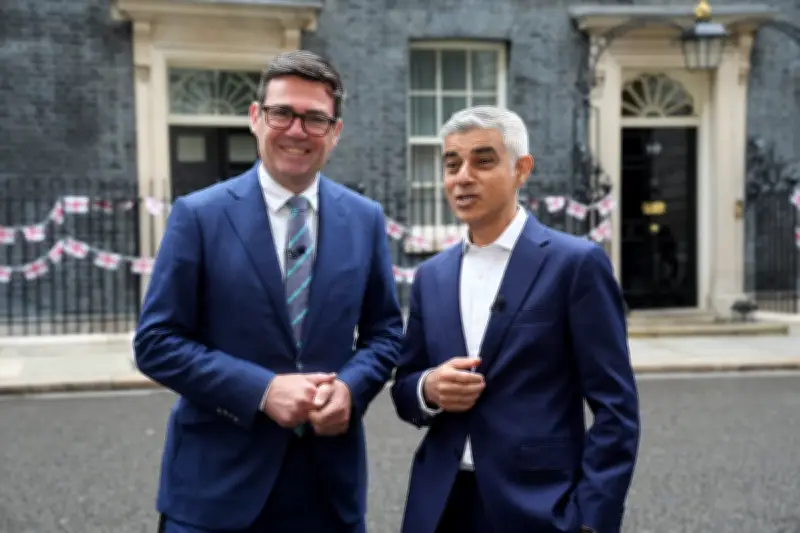
Sadiq Khan is set to keep a portion of income tax and business rates generated in London, under the Prime Minister's devolution drive. The plans, confirmed by Andy Burnham, mean the Mayor of London and other regional leaders in England will retain a share of these taxes to spend.
Mr Burnham said the proposals were part of his pledge to “take power out of Westminster and carry it into every postcode in the country”. Further details are expected when Chancellor John Healey presents his first budget in the autumn.
Details of the Devolution Plan
Mr Burnham, who served as mayor of Greater Manchester for nearly a decade, said the plans would ensure “every local leader will have the power and resources to improve public transport, build homes and create jobs”. Ministers will maintain an equalisation system so areas collecting less tax still receive financial support.
Income tax rates will not change as a direct result of the reforms, the Government said. Mr Burnham stated: “I said we’d take power out of Westminster and carry it into every postcode in the country. Today, we make good on that promise.”
Reactions and Wider Context
Several English regions already have mayors, including Greater Manchester, the Liverpool City Region, Cambridgeshire and Peterborough, and South Yorkshire. They hold powers over transport, skills, and infrastructure planning. New mayoralties are planned for areas such as Greater Essex and Hampshire and the Solent.
Chancellor John Healey remarked: “For the first time we’re giving mayors a share of income tax so communities directly benefit when their economy grows – passing power out of Westminster and driving growth in every postcode.” Local Government Secretary Angela Rayner said this would end “the begging-bowl culture of the past”.
Some mayors, including Conservative Tees Valley mayor Lord Houchen and Reform UK’s Greater Lincolnshire mayor Dame Andrea Jenkyns, are reportedly considering using their powers to introduce tax reliefs.
Shadow Chancellor Mel Stride criticised the plan, saying: “This is another Andy Burnham announcement that makes big claims while being very short on the detail.” He argued that if local areas with stronger growth end up with more funding, weaker areas could lose out, contrary to Mr Burnham's stated aims.




