
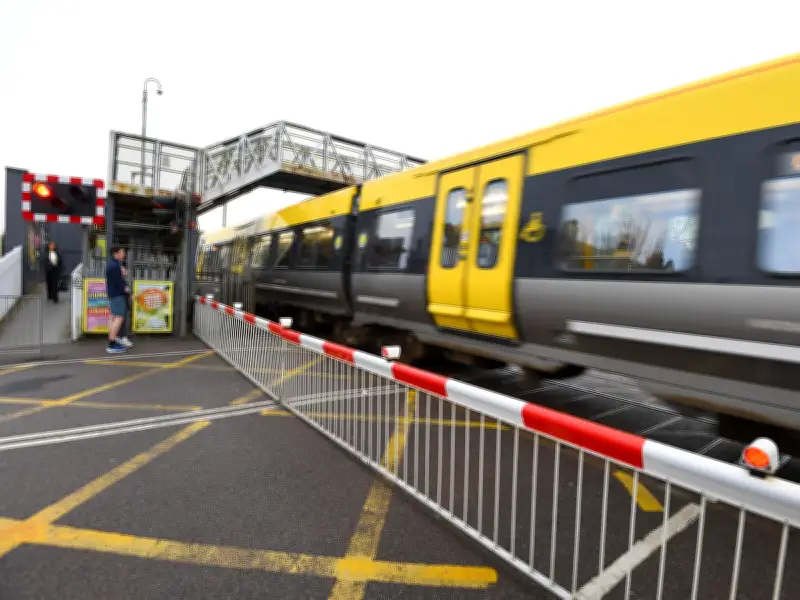
Merseyrail services will be brought under public ownership by 2028, with fares set for the benefit of passengers rather than shareholders, according to Metro Mayor Steve Rotheram.
The mayor told the ECHO that the public ownership model will allow decisions to be made at a local level by the Liverpool City Region Combined Authority. The move coincides with bringing buses back in-house from September 2026.
Public Ownership Plan
Mr Rotheram said the new system goes further than the franchise model used for buses, as it entails public ownership of everything. He highlighted that while the trains are good, the infrastructure has been neglected for decades and needs improvement.
In 2023, a fleet of £500m new trains was introduced on the soon-to-be publicly owned rails. The mayor acknowledged teething troubles but said the level boarding design is part of making the network the most accessible in the country by the end of the decade.
Fares and Ticketing
Under public ownership, the combined authority will set fares similarly to the publicly owned buses. Smart ticketing will be integrated across buses, trains, ferries, and rapid transit, allowing passengers to complete whole journeys on public transport.
Mr Rotheram emphasised that trains can carry up to 800 people, especially on matchdays, compared to around 72 or 73 on a bus, so rail infrastructure is crucial for heavy lifting.
Network Expansion and Infrastructure
The mayor expressed ambition to grow the network beyond its current boundaries, using the live third rail to run services to areas currently not served. With ownership of the trains, the combined authority can bid to run services elsewhere, whereas previously Merseyrail had to bid on their behalf.
He said he wants the rail system to be so frequent that a timetable is not necessary, with the aim of reducing gaps between services to about 10 minutes in the next few years.
Stations Return to Public Control
The next stage of devolution involves bringing stations back into public control. Currently, the majority are owned and maintained by Network Rail. Mr Rotheram said a pot of money is available for upgrades, and they are working with Network Rail to determine how many stations can be taken back, ensuring they do not continue to deteriorate.
Ongoing Issues at Cressington
One persistent problem is at Cressington station, where services were disrupted during the Open golf championship due to issues with beacons on the line. Mr Rotheram sympathised with passengers and expressed frustration with Network Rail's inability to resolve the issue. He suggested a solution where trains could stop at stations without opening doors in certain sections, allowing passengers to move through instead.
The mayor added: "The frequency that we run trains, I think we can squeeze that. I'd love to get in the next few years down to somewhere where if you miss a train, then it'd only be if you literally just miss one, there's another one in 10 minutes or something like that."




