
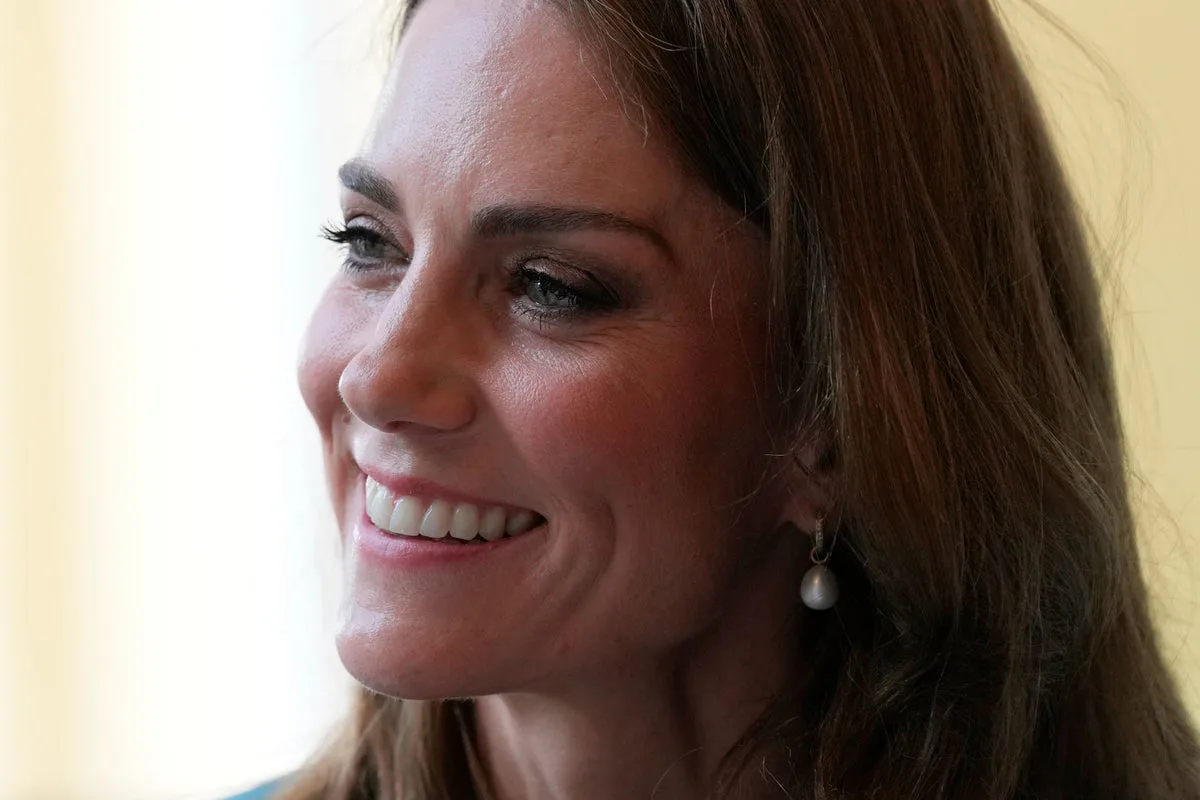
The Princess of Wales has commenced her first major overseas visit since recovering from cancer treatment, with much of the attention fixed on the educational philosophy she is championing. Known for her dedicated work in early childhood development, Kate is in the northern Italian city of Reggio Emilia to study the globally influential 'Reggio Emilia approach.'
This distinctive early-years education model, developed after the Second World War by psychologist Loris Malaguzzi, centres on fostering creativity, a connection with nature, community engagement, and child-led learning. It has become one of the world's most respected educational frameworks, particularly appealing to parents seeking alternatives to rigid, academically driven early schooling.
Experts suggest that many of its fundamental principles can be integrated into home life. 'It’s an early-years philosophy built on the idea that children construct their own understanding of the world through exploration, play and relationships,' explains Holly Amber Stokes, senior lecturer in psychology at Arden University. Unlike traditional systems, the approach doesn't revolve around rigid timetables or standardised outcomes; instead, children's interests guide learning, with teachers acting as facilitators.
The environment itself plays a central role, often referred to as 'the third teacher.' Natural light, outdoor spaces, open-ended toys and creative materials encourage exploration and independent thinking. The Princess's interest aligns with her work through the Royal Foundation Centre for Early Childhood, and experts say the growing fascination with child-led learning reflects wider concerns about children's wellbeing, including rising anxiety and emotional difficulties.
Research consistently shows children learn best through active, hands-on experiences. A typical Reggio Emilia day might involve storytelling, role-play, drawing, building, gardening or outdoor exploration, with learning goals woven naturally into activities. 'Children aren’t passively receiving information – they’re experimenting, testing ideas and learning through trial and error,' says Stokes.
The good news for parents is that many elements of the philosophy already happen naturally in everyday family life. Simple games such as I-Spy, imaginative play, storytelling, drawing or outdoor walks can all become opportunities for child-led learning. The key, Stokes explains, is following the child's curiosity rather than controlling it.




