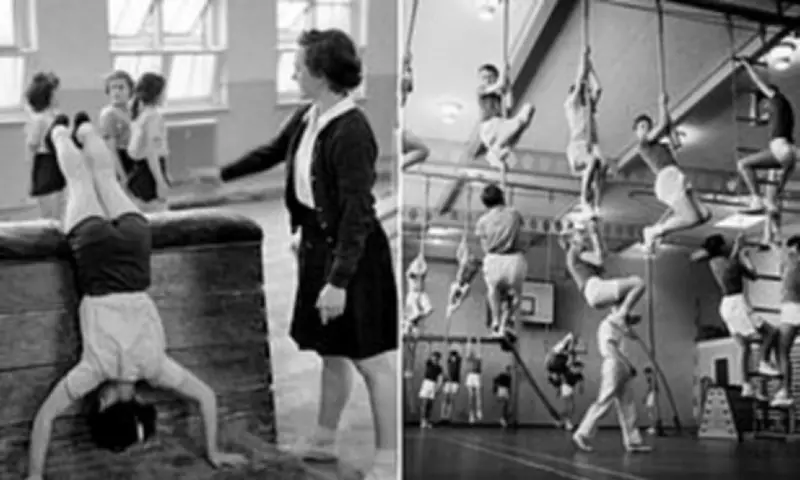
The Enduring Legacy of School PE: From Military Drills to Lifelong Trauma
Few subjects have provoked such polarised reactions among schoolchildren across generations as physical education. For the naturally athletic, it represented a cherished escape from classroom confines. For others, it evokes visceral memories of frigid mud, punitive showers, and disciplinarian instructors who seemed to revel in their discomfort.
Now, sobering new research confirms these experiences have cast long shadows. A comprehensive study reveals that approximately one-third of adults believe the torment of school PE has permanently alienated them from physical activity.
A Historical Evolution: From Health Reform to Military Preparation
The origins of PE in Britain trace back to the nineteenth century, initially conceived as military-style drills. The early focus aimed to uplift the health of working-class children through systematic instruction in gymnastics, personal hygiene, and bodily care.

Significant influence came from Swedish pioneer Martina Bergman-Österberg, who championed PE as a formal curriculum subject in England. She broke ground by advocating for female participation and introducing structured Swedish gymnastics into lessons.
By the early twentieth century, educational authorities promoted PE as a vital tool to combat poor public health and prepare boys for potential military service during the world wars. The post-war era, however, became synonymous with rigid discipline that many now recognise as bordering on bullying or abuse.
Cultural Portrayals and Darker Realities
The archetype of the tyrannical PE teacher became embedded in popular culture. Television's Grange Hill featured the intimidating Geoff 'Bullet' Baxter in the 1980s, while the musical Matilda famously warned new pupils to brace themselves for the dreaded 'phys-ed' under the fearsome Miss Trunchbull.
Beyond fiction, some school environments fostered genuinely distressing practices. Communal changing rooms and compulsory nude swimming at certain institutions reflected a culture that, in extreme cases, masked sadism and abuse. Historical convictions, such as those of Marcus Marcussen and John Young for offences spanning decades, underscore this troubling legacy.
The Lasting Psychological Impact
Age UK's survey of 2,385 individuals aged 50 to 65 delivers stark findings. Twenty-nine percent report still feeling 'traumatised' by their school PE experiences, with twenty-eight percent stating these lessons deterred them from exercise and sport permanently.
The poll highlights specific painful memories: forty percent recall the humiliation of being picked last for teams, while an equal proportion remain haunted by body-consciousness and embarrassment. In response, the charity urges people to confront these fears and engage with supportive fitness opportunities to enhance both health and self-assurance.
Paul Farmer, Chief Executive of Age UK, emphasises the challenge: 'Challenging PE lessons, worries about judgment and feeling self-conscious, can make physical activity feel out of reach – and can feel like something "only young people do".'
Modern Initiatives and Contemporary Debates
Age UK asserts that contemporary sports groups are markedly more inclusive and welcoming than in previous decades. Through its 'Act Now, Age Better' campaign, supported by Olympians Dame Kelly Holmes and Sally Gunnell, the charity offers free taster sessions in partnership with various sporting bodies.
Dame Kelly champions the initiative, stating 'the benefits of sport are endless,' while Gunnell adds 'Being active has always meant far more to me than medals or podiums.'
Meanwhile, a parliamentary committee has proposed replacing traditional school uniforms with tracksuits to foster greater inclusivity and comfort during PE. The Culture, Media and Sport Committee recommends allowing sportswear as standard attire to help pupils feel more at ease.
However, this suggestion faces criticism. Chris McGovern of the Campaign For Real Education argues: 'This is another example of woke dogma being foisted on children. Smart uniforms help encourage kids to be smart and to set themselves high standards. Our elite schools are unlikely to ditch traditional uniforms.'

As Britain grapples with these complex legacies, the call persists for creating genuinely inclusive, enjoyable physical activity opportunities that acknowledge past traumas while promoting lifelong wellbeing.