Michelle O'Neill Accuses UK Government of Failing to Grasp Northern Ireland's Funding Crisis
The UK Government "don't get it" when it comes to properly funding Northern Ireland, First Minister Michelle O'Neill has declared in a stark criticism of Westminster's financial approach. The Sinn Fein vice-president asserted that she will continue to "unapologetically" press the Treasury for additional resources to address what she describes as a severe funding shortfall.
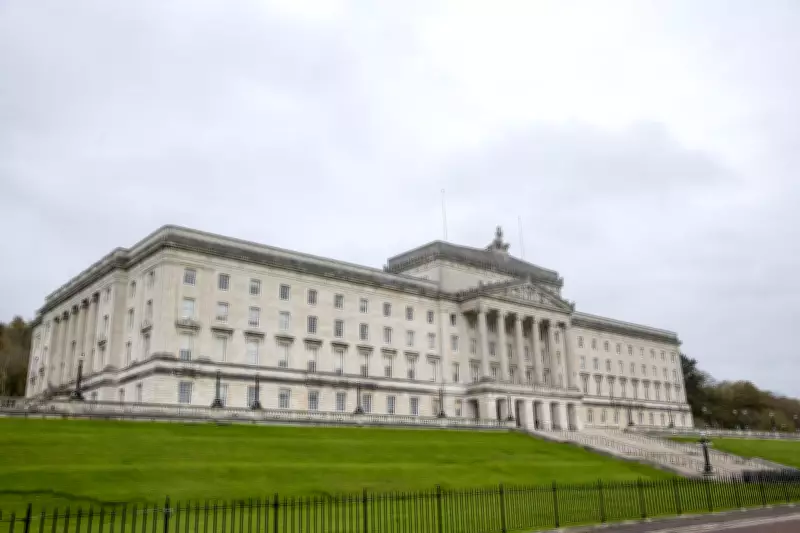
Stormont Faces Severe Financial Pressures
Stormont departments are confronting a significant funding crisis, with ministers consistently warning about serious financial challenges. Following the Executive exceeding its budget in the previous financial year, the UK Government allocated £400 million from reserves specifically to manage overspend pressures in critical areas like health and education. However, this money must be repaid over the next three years, adding to the financial strain.
The Treasury conducted what it termed an "open-book exercise" examining the Executive's budget, concluding that Stormont ministers could potentially unlock up to £3.3 billion in additional annual spending power through various measures. The report explored multiple options to "improve the sustainability of the Northern Ireland budget," including revenue-raising initiatives, pay structure adjustments, and efficiency improvements.

"Distinct Unfairness" in Funding Comparisons
Ms O'Neill told the Press Association: "I think it is pretty clear that the British Government don't get it because for years we've been making the exact same argument. The fact is the starting point here is that we are under-funded."
The First Minister highlighted what she called a "fundamental unfairness" in how Northern Ireland has been funded compared to other devolved nations. "We participated with that open book review because we knew it would make our case in terms of the fact that, relatively speaking, when you compare the funding that Scotland achieve and what Wales achieve compared to our starting point, there's a distinct unfairness there," she explained.
Providing concrete examples, Ms O'Neill stated: "To give you a really good practical example, if we're funded to the same tune as Wales, we would have £1.1 billion in additional funding. If we're funded to the same tune as they are in Scotland above their level of need, we would have £3 billion in additional funding."
Historical Underfunding Exacerbated by Recent Challenges
The First Minister emphasized that this funding disparity has persisted for decades and has been worsened by recent economic pressures. "And then build upon the years of austerity, Brexit and the real-life implications of that means that it's a very, very challenging financial position for this Executive to be in," she added.
Ms O'Neill was particularly critical of the Treasury's recommendations, describing them as "very predictable" and "very unrealistic." She argued: "I could have wrote those recommendations that were in the open book review from the Treasury. They're in the Fiscal Council's work that has been done previously. If I took them down, I could dissect many of them bit by bit, because they're not comparing like for like. They're comparing charges in England versus charges here. And these things are distinctly different, it is apples and oranges in many ways in terms of what they're trying to do a direct comparison upon."
Rejecting the "Begging Bowl" Narrative
The First Minister firmly rejected suggestions that the Executive is continually approaching the UK Government "with a begging bowl." She asserted: "I'm not apologetic for that, because I want fairness. People here pay their taxes, businesses here pay their VAT, they're entitled to investment in their public services in return. I think the sheer scale of the level of underfunding in comparable terms to Scotland and Wales is really stark. So, that's the starting point in which we collectively as a four-party Executive make the case to the Treasury for a proper funding model."
Ms O'Neill and deputy First Minister Emma Little-Pengelly have previously requested a meeting with Prime Minister Sir Keir Starmer to discuss Northern Ireland's budget challenges, highlighting the urgency of the situation.

Cost-of-Living Pressures Compound Financial Strain
Beyond governmental funding, Ms O'Neill stressed that people in Northern Ireland urgently require support from the UK Government to manage cost-of-living pressures. "People need help to get them through these tough times with energy costs, fuel costs, inflation going through the roof, everything that people are contending with," she said. "People are getting it hard and they need our support."
The First Minister's comments underscore the deepening financial tensions between Stormont and Westminster as Northern Ireland grapples with what she describes as systemic underfunding compounded by economic challenges affecting everyday citizens.