
With white roses and red, and oaths taken in English, Gaelic, Doric, Urdu and Italian, Scotland's new generation of MSPs have been sworn in at Holyrood – the first Scottish parliament to have one party in complete control.
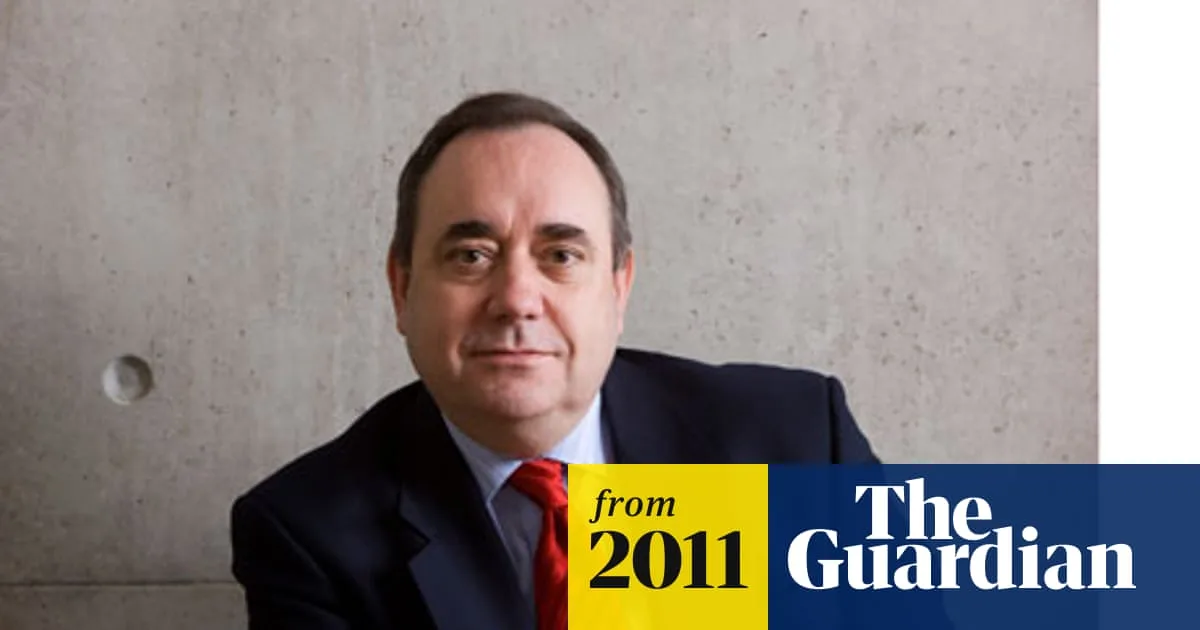
Five days after winning a resounding majority in the Scottish elections, Alex Salmond was the first party leader to take the oath of allegiance, wearing the customary white rose sported by all 69 Scottish National party MSPs. Salmond prefaced his oath to the Queen with his new traditional declaration: "The SNP's primary loyalty is to the people of Scotland in line with the Scottish constitutional tradition of the sovereignty of the people."
Salmond's oath was the new session's first stumble: Alex Fergusson, the parliament's retiring presiding officer, wrongly introduced the first minister as the new MSP for Aberdeenshire West. Fergusson quickly corrected himself, adding: "For the record, Alex Salmond represents Aberdeenshire East."
The error came only a few hours before the new parliament faced its first major controversy. On Wednesday afternoon, the new presiding officer, Holyrood's equivalent of speaker, is elected. There are increasing predictions that the SNP will elect a nationalist as presiding officer. The presiding officer will play a crucial role in deciding whether Salmond's independence referendum is legal.
The roses were more symbolic: the SNP chose the white flower from the lines by the nationalist poet Hugh McDiarmid. Labour's reduced ranks sported their traditional red rose. The Liberal Democrats, now down to five MSPs, wore pale yellow roses; the Tories, reduced to 15, wore no roses at all.
The SNP said the different languages used underlined the party's linguistic and cultural diversity. This was the first time an MSP repeated the oath in Italian: the new Edinburgh Central MSP Marco Biagi spoke his mother tongue with a distinct Edinburgh twang. Holyrood's most famous republican, Roseanna Cunningham, surprised many observers by refusing to use the religious oath and swearing allegiance to God, instead taking the affirmation swearing allegiance to the Queen "according to law".




