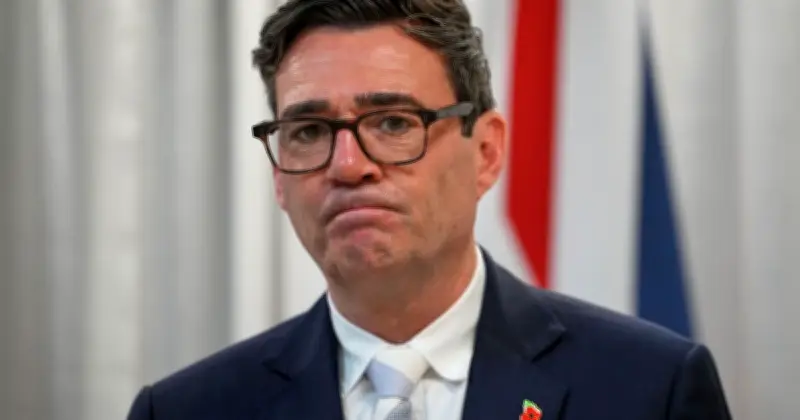
Andy Burnham has been warned that his "shocking" plans to give UK mayors holiday tax powers could land British holidaymakers with a tax bill of £1.6 billion.
The Visitor Levy Bill, introduced by Parliament on Wednesday, will give local leaders authority to impose a levy on visitors staying overnight in their area, in what the Government described as "the most significant step in making fiscal devolution a reality". Ministers insisted the percentage-based levy would keep costs low, with 10 regional mayors committed to keeping charges at 5% of overall, standard fees or below.
Job losses and higher costs
Economic analysis by Oxford Economics found that a 5% tax would cost UK holiday spots 33,000 jobs and increase tax for holidaymakers by £1.6 billion.
Allen Simpson, chief executive of UKHospitality, said: "It's genuinely shocking to see the Government bring forward legislation to hike the cost of a family holiday and risk 33,000 jobs, because that's exactly what its Holiday Tax Bill will do."
He warned that mayors will be able to hike taxes for British visitors "then spend the funds on whatever they like, with no legal requirements to even use the funds to benefit hospitality".
Impact on families and communities
"It is hard-working families that will be forced to pay more for their summer break to prop up local government finances," he added. "It is people in coastal and rural communities that rely on hospitality and tourism who will lose their jobs.
"It is not normal to have this level taxation on a holiday. The UK's 20% VAT is already the third highest in Europe, and this holiday tax will make it even worse."
The Government has said the Visitor Levy Bill would enable the collection of small fees to be reinvested locally in high streets, public spaces and tourist attractions. The overnight levy on customers staying in accommodation such as hotels and B&Bs was announced by Mr Burnham in September.
Details of the levy
Chancellor John Healey also confirmed the new powers for mayors and strategic authorities starting in 2028 in the Autumn Budget. The Government said the legislation is part of its commitment to drive "good growth in every postcode", including through the high streets strategy and wider plans to "rewire the state" and shift power from Whitehall to local communities.
Details confirmed in the Bill for the first time include who will be protected, how decisions will be made locally, and how the rules will be enforced. The levy will only apply to the first 28 consecutive days of a stay, as longer periods would count as long-term accommodation.
People who only rent out a spare room occasionally will only pay the levy if they earn above a set amount, with local leaders able to adjust this threshold to reflect the local tourism market.
The Ministry for Housing, Communities and Local Government said: "This Visitor Levy Bill [...] marks the most significant step in making fiscal devolution a reality, giving mayors and leaders who know their areas best the ability to introduce a small fee on overnight stays.
"Money raised through the levy will stay in the local area, giving communities investment in the places and services used by visitors and residents."