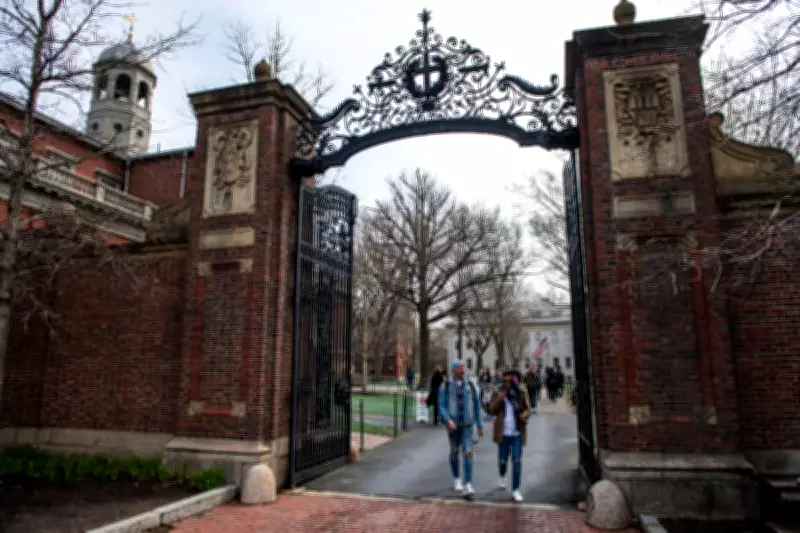
Harvard's Controversial Plan to Cap Straight A Grades Sparks Widespread Student Anger
Students at Harvard University are expressing intense frustration over a contentious proposal that would limit the number of straight A grades faculty can award in undergraduate courses. Administrators argue this measure is essential to address rampant grade inflation that has significantly devalued top academic marks over recent years.
Details of the Proposed Grading Reform
The Faculty of Arts and Sciences is scheduled to vote next week on a plan that would implement a strict cap on straight A grades, restricting them to approximately 20 percent of a class roster. Smaller courses would be permitted up to four additional A grades under the proposed system. This adjustment aims to return Harvard's grading distribution to levels comparable to those observed in 2011, before grade inflation accelerated dramatically.
Additionally, the proposal would eliminate the traditional Grade Point Average as an internal metric for the university. Instead, Harvard would utilize percentile rankings to determine academic distinctions such as cum laude graduates, fundamentally changing how student achievement is measured and recognized.

Mounting Evidence of Grade Inflation
The proposed reforms follow a comprehensive report revealing that grade inflation at Harvard has grown substantially over the past two decades. During the 2024-25 academic year, approximately 60 percent of all undergraduate grades awarded were straight A's. This represents a sharp increase from just 25 percent during the 2005-06 academic year, highlighting the dramatic shift in grading practices that has occurred.
"We have to do what's in the interest of preserving the reputation of Harvard, and they all benefit from that," explained Amanda Claybaugh, Harvard's Dean of Undergraduate Education, in defense of the proposed changes.
Overwhelming Student Opposition
A survey conducted by Harvard's undergraduate student government revealed overwhelming opposition to the proposed A-grade cap, with approximately 94 percent of respondents expressing disapproval. The survey gathered more than 800 responses, providing a substantial sample of student sentiment across the campus.
Student frustration has permeated campus culture, with memes circulating that depict administrators behind the proposal as Gandalf from "Lord of the Rings" declaring "You shall not pass!" This creative protest reflects the depth of student discontent with the potential policy change.
"The fact that this policy even MIGHT go into effect with 94 percent student disapproval is absurd and goes to show how much this administration cares about us," one student wrote on a Harvard forum, capturing the sentiment of many peers.
Administrative Adjustments and Rationale
In response to the significant backlash, administrators have made several adjustments to the original proposal. Earlier this week, Dean Claybaugh announced a one-year delay in implementation, moving the earliest possible rollout to fall 2027. The administration also introduced a new "SAT+" grade option designed to provide instructors with additional flexibility in their grading practices.
Importantly, the reforms would specifically cap only straight A grades while leaving A-minuses completely unaffected. Committee members behind the proposal anticipate this distinction will make A-minuses more common and socially acceptable, potentially reducing the stigma associated with receiving less than a perfect grade.
Supporters' Perspective on Grading Reform
Supporters of the cap argue that reducing the share of straight A's will restore the value of top academic marks and help employers and graduate schools better distinguish genuine student achievement. They contend that the current system fails to adequately differentiate between exceptional and merely good performance.
"We want to liberate students from the tyranny of the 4.0 and make them free to explore. We want to put the 'us' back in A-minus," explained Joshua Greene, a Harvard psychology professor and member of the committee behind the proposal, emphasizing the educational philosophy driving the reforms.

Criticism from Student Publications
The Harvard Crimson, the university's student newspaper, has published criticism of the proposal, with staff writers arguing in February that "The proposal's fundamental flaw, however, is expecting that an academic institution as pedagogically diverse as Harvard could somehow inspire academic vocation with a tool as crude as a quota." This perspective highlights concerns about whether quantitative restrictions can effectively address complex educational challenges.
The debate continues as Harvard prepares for the crucial faculty vote that will determine whether these controversial grading reforms move forward, potentially reshaping academic evaluation at one of the world's most prestigious universities for years to come.