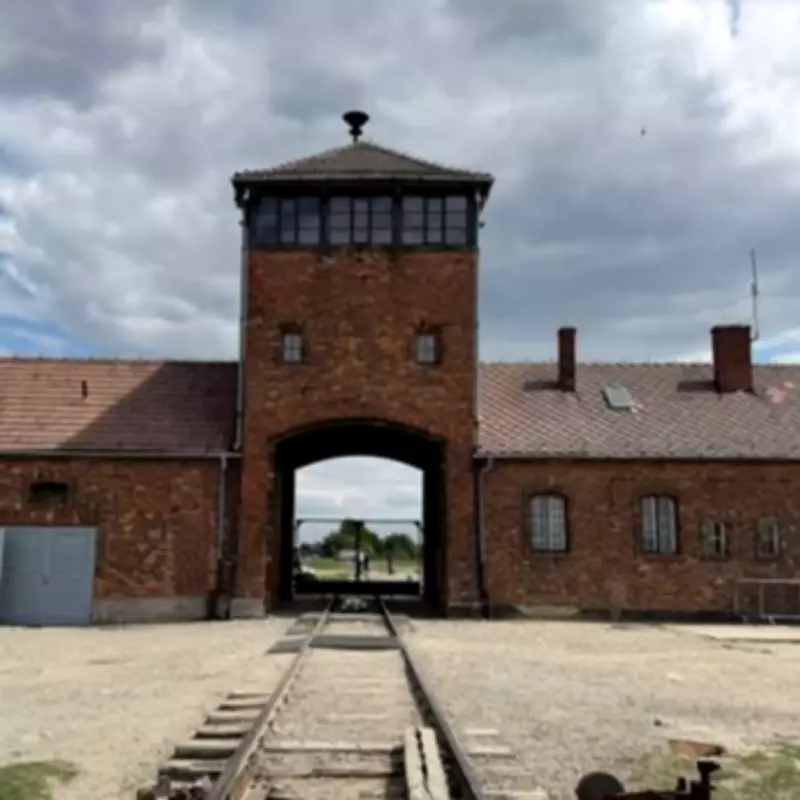
Germany Launches £8.5m Initiative to Send Students to Nazi Camps
In a significant move to combat fading memories of the Holocaust, Germany has launched an £8.5 million campaign to dramatically increase school trips to former Nazi concentration camps. This initiative aims to double the number of visits to sites such as Auschwitz, Treblinka, and Sobibor over the next five years.
Emergency Funding Secured to Expand Programme
The German government has secured emergency backing from the private Bethe Foundation, which has pledged £8.5 million in additional funding. This substantial investment has allowed the annual budget for these educational trips to be doubled to £3 million, enabling a major expansion of the programme that has been running since 2010.
Family Minister Karin Prien issued a stark warning about the urgency of this initiative, stating that as Holocaust survivors continue to die out, the horror of Nazi crimes risks fading from public consciousness. She emphasised that only direct exposure to Germany's dark history through visits to authentic sites can truly convey the full scale of the atrocities committed during the Second World War.

Minister's Personal Connection to Holocaust History
Minister Prien revealed a deeply personal connection to this history during a visit to Israel in October 2025, disclosing that members of her own family were murdered in Nazi concentration camps. Speaking at Yad Vashem in Jerusalem, she described the experience as "always deeply moving" and noted she is the first German federal minister to openly discuss her Jewish roots while in office.
"It is particularly valuable when young people experience history directly and immediately at authentic sites of Nazi crimes and develop a sense of responsibility for our democracy from it," Prien stated. She added that the programmes would be rigorously reviewed for target achievement and impact.
Educational Philosophy Behind the Visits
The minister clarified the educational purpose behind these trips, noting that "visiting a concentration camp alone doesn't make someone an anti-fascist or a democrat." Instead, she explained, "It's about understanding how such a thing could arise. The Nazi regime of terror and the murder of the Jews didn't begin in Auschwitz. It began with a gradual process of disenfranchisement, dehumanisation, and expropriation."
Since the programme's inception in 2010, more than 40,000 German students have participated in these educational visits. Officials now hope the expanded funding will prevent what they fear is a growing detachment from this critical chapter in Germany's history, with expectations that more than 12,000 young people will visit former Nazi execution camps annually under the enhanced programme.
Broader Educational Initiatives and International Cooperation
Beyond the camp visits, Minister Prien is backing plans to establish a Yad Vashem-linked education centre in Germany, with potential locations including Bavaria, North Rhine-Westphalia, or Saxony. A final decision on this centre is expected in 2026.
Prien has also held discussions with Israeli Education Minister Joav Kisch to revive youth exchange programmes that were disrupted by the Gaza conflict. She argued that direct international engagement is now more vital than ever to preserve historical truth and maintain educational connections between the two nations.
This comprehensive approach reflects Germany's commitment to ensuring future generations understand the full implications of the Holocaust, even as the number of living survivors continues to decline. The expanded funding represents one of the most significant investments in Holocaust education in recent German history.