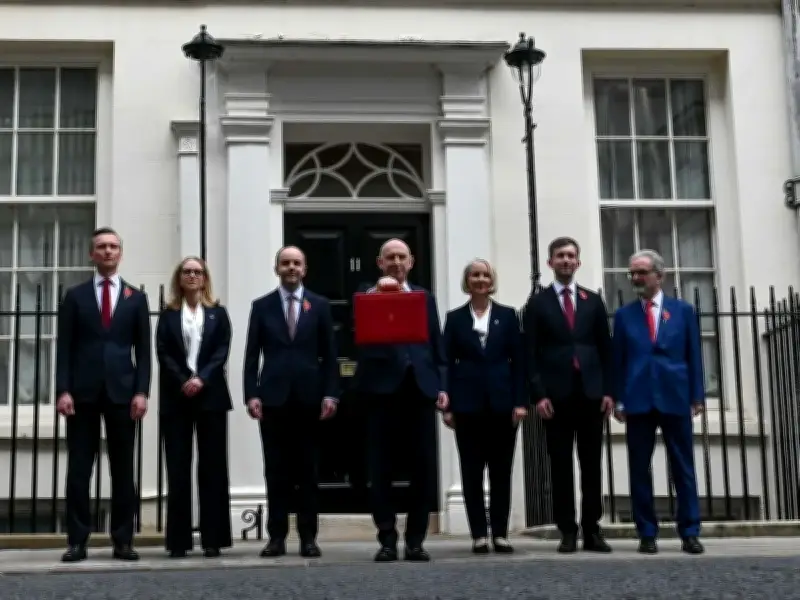
Chancellor John Healey's commitment to further devolution has been welcomed by business and political leaders across the North West, following his Budget announcement that mayors will retain a greater share of tax revenues.
Under the "roadmap to fiscal devolution" set out in the Budget, mayors will receive 20% of business rates next year and a share of income tax in 2028. The Chancellor also confirmed that 100% of business rates will be retained locally by the end of the decade, and that mayors and strategic authorities will gain powers to introduce an overnight visitor levy from 2028.
The Treasury said 10 new devolution agreements across the country were in their final stages.
Devolution described as 'most radical act in a generation'
Mr Healey described the local retention of tax revenues as "the most radical act of devolution in a generation", adding that these are "new powers to the people who know their areas best – not sentimentality but supply-side economics. The biggest wave of devolution in a generation."
Mayor of Greater Manchester, Bev Craig, said: "Today's budget backs our ambitions for Greater Manchester, investing in new jobs and supporting the local independent businesses that are the life blood of our high streets with over 3,5000 local businesses will save thousands of pounds every year."
She added that the Budget set out "a devolution plan where we can get more money and power to fulfil our ambitions like expanding the tram network, building genuinely affordable homes and investing in our roads. We have long known that we are the best people to set our own path. Now we are ready to take control and supercharge Greater Manchester's success story."
Business and academic leaders respond
Professor Ken McPhail, Head of Alliance Manchester Business School, said the Budget is "a recognition of the fact that for too long our approach to economic development has assumed that policies designed at the centre can deliver broadly similar results everywhere. No one understands their regions better than the local leaders and institutions based there."
Robert White, CEO at Brabners and co-chair of True North, welcomed the commitment to further devolution, noting that the £1.5bn Good Growth borrowing facility from April 2028 offers greater scope for devolved investment. He said allowing mayors to retain a share of business rates locally gives them "a more direct stake in the success of their local business communities."
Stephen Cowperthwaite, principal and managing director for UK Regions at Avison Young, said the Chancellor's commitment to further devolution through £1.5 billion of Good Growth funding for mayors across England "is a significant vote of confidence in the regions of the UK."
He also highlighted the Chancellor's £20 million backing for the restoration of Liverpool's iconic Littlewoods Building as "a welcome endorsement of Liverpool's growth potential and long-term economic prospects."
Cowperthwaite said the measures represent "a positive step towards empowering the regions to shape their own futures," adding that if they mark the beginning of a more consistent, devolved approach to funding and investment, they will "unlock transformational projects across the country, drive sustainable economic growth and create stronger, more resilient regional economies for the long term."