
Prime Minister Mark Carney has said he is determined to build a better Canada after the premier of the oil-rich province of Alberta announced plans for a public vote on whether to move towards independence. Alberta Premier Danielle Smith said on Thursday that a vote would be held on 19 October on whether Alberta should stay in Canada or take legal steps towards a binding referendum on leaving.
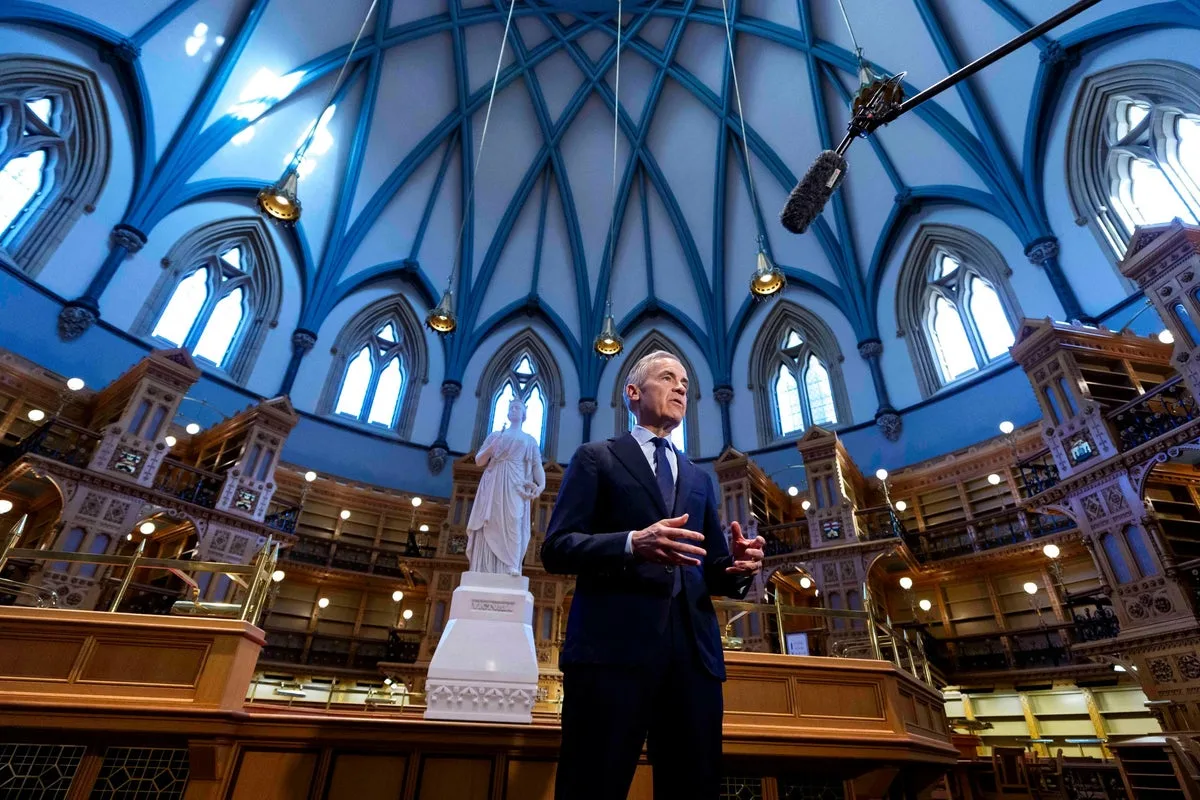
Speaking for the first time since Smith’s announcement, Carney noted the significant contributions Albertans have made to Canada. “Canada is the greatest country in the world, but it can be better and we are working on making it better. We’re working with Alberta on making it better,” he said while touring Parliament buildings under renovation. Carney highlighted his government’s efforts to build a new oil pipeline from Alberta to Canada’s Pacific coast, addressing long-standing complaints from Albertans about the lack of federal support to get the province’s vast oil reserves to market.
Smith reiterated that she supports Alberta remaining in Canada, a stance compared by some to that of then-British Prime Minister David Cameron ahead of the Brexit referendum. A “yes” vote in the referendum would not trigger independence but would require negotiations with the federal government. Ian Brodie, a former chief of staff to ex-Conservative Prime Minister Stephen Harper, said Smith appeared to be proceeding carefully, adding, “A vote to see if people even want a vote. It’s a good way to let the swing voters swing against separation.”
However, pro-independence groups criticised the move. Jeff Rath, lawyer for Stay Free Alberta, called it an insult to those seeking independence, while Cam Davies of the Republican Party of Alberta described the question as “spineless”. Daniel Béland, a political science professor at McGill University, said Smith seemed committed to appeasing supporters of her own party and noted that a future referendum would likely lose, as support for separation is slightly under 30%. He added that campaigns do matter.
Business leaders also expressed concern. Candace Laing, president and CEO of the Canadian Chamber of Commerce, warned that prolonged uncertainty over constitutional or political separation brings real risks for investor confidence, economic growth, and Canada’s global competitiveness. Former federal Conservative Cabinet minister James Moore called the referendum “an odd choice” that would divide Smith’s party and make the province look unstable for investment, only to ultimately affirm the constitutional status quo.




