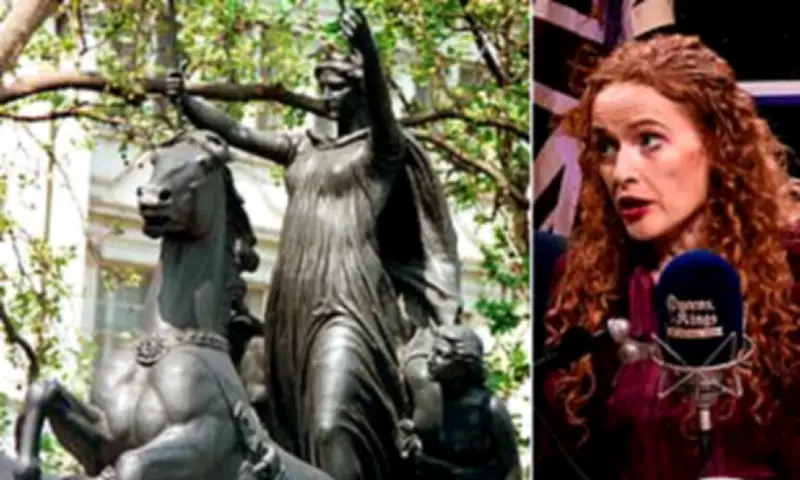
In the latest episode of the Daily Mail's podcast, Queens, Kings and Dastardly Things, historian Kate Williams and royal biographer Robert Hardman examine the historical facts and myths surrounding Boudica's ill-fated uprising against Roman rule in Britain.
The Roman Invasion of Britain
The Romans invaded Britain in AD 43 under Emperor Claudius, establishing the province of Britannia and bringing the southern part of modern-day England under imperial control. While Rome introduced innovations such as roads, plumbing, and central heating, life for native Britons became increasingly difficult. Britannia was not as profitable as Rome had anticipated, leading to heavy taxation on the new subjects.
The Plight of the Iceni
Rome's client kings, native tribal chieftains allowed to retain their titles in exchange for loyalty, were not exempt from harsh taxes. Upon their deaths, Rome expected to inherit their kingdoms. Boudica was the wife of King Prasutagus, ruler of the Iceni tribe in present-day Norfolk, Suffolk, and Cambridgeshire. In his will, Prasutagus bequeathed half his lands to Rome and half to his two young daughters, with Boudica as protector. However, Rome refused this arrangement, as Roman law did not recognize female inheritance. After his death, centurions seized the kingdom, ransacking the royal household, enslaving nobles, publicly flogging Boudica, and raping her daughters.

The Rebellion
Seeking vengeance, Boudica united several tribes and led a bloody rebellion. Before Rome could respond, the Britons sacked Colchester, London, and St Albans, killing an estimated 70,000 people. Governor Suetonius Paulinus marched his legions from Wales to suppress the uprising, crushing Boudica's army at the Battle of Watling Street in AD 61.
The Mystery of Boudica's Death and Burial
Boudica's fate remains uncertain. The Roman historian Tacitus, whose father-in-law served in Britain, claimed she poisoned herself. Cassius Dio wrote that she died on the battlefield and received a lavish burial. However, no burial site has been found. Theories include a field near a McDonald's in Birmingham, beneath Platform 10 at King's Cross station, or at Stonehenge. The most credible location is near Mancetter in Warwickshire, the likely site of her final battle. Alternatively, the Romans may have erased all traces to prevent her tomb from becoming a rallying point.
To hear more stories like this, search for Queens, Kings and Dastardly Things wherever you get your podcasts or on YouTube.