
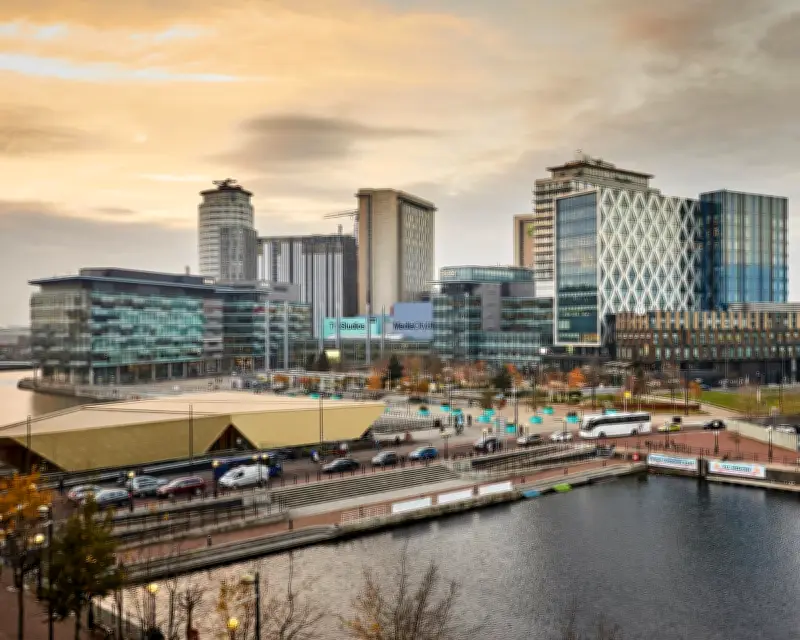
Fifteen years after the BBC's move to Salford began in earnest, MediaCity has become a vibrant 200-acre media and technology hub in Salford docks. It now houses 3,500 BBC staff and 250 other creative and tech businesses, galvanised by the broadcaster's relocation.
Resistance and Success
When the BBC first announced its "Out of London" plan in 2004, there was significant internal scepticism. Senior staff and star talent were reluctant to leave London. Jeremy Clarkson, then presenting Top Gear, said he would rather quit than relocate to "a small suburb with a Starbucks and a canal with ducks." However, the move proved successful, with BBC Sport, Children's, 5 Live, and 6 Music relocating wholesale.
'No 10 North' Proposal
Andy Burnham, former mayor of Manchester and now Prime Minister, has promised to create a 'No 10 North' in Manchester. This dedicated department will oversee devolving power and resources to cities and regions across the UK. Burnham vowed it would become "the nerve centre of a rewired Britain," not an outpost of London.
Key Factors for Success
Alice Webb, former COO overseeing the BBC's Salford move, emphasised the importance of strong leadership and a significant scale of change. Moving entire departments rather than representatives helped shift the broadcaster's centre of gravity. The technological step-change and flexible working culture made BBC North an exciting place to work.
Other Relocations
Channel 4 is now headquartered in Leeds, HMRC's largest hub is in Newcastle, and the ONS moved to Newport in 2007. The Treasury's hub in Darlington, described as "a No 11 of the North," houses a fifth of all Treasury staff and the second permanent secretary. According to a Treasury source, senior minister commitment is crucial: "I think this only works when there is a senior minister behind it."
Challenges and Criticisms
Not all relocations are unqualified successes. The ONS move saw 90% of staff resign, leading to a loss of expertise. Channel 4 faced criticism for keeping senior executives in London, though the broadcaster says a third of staff are now based outside the capital. Only 21% of the civil service is based in London, but two-thirds of senior roles remain there, making it challenging to shift decision-making power.
Symbolic and Economic Benefits
According to Anthony Breach at the Centre for Cities, moving a big department can have symbolic importance, signalling to businesses and policymakers that a place is worth investing in. Webb, now CEO of MediaCity, agrees that successful devolution examples can persuade others to follow: "It can only help to have a very powerful role model to help galvanise what people instinctively know."




