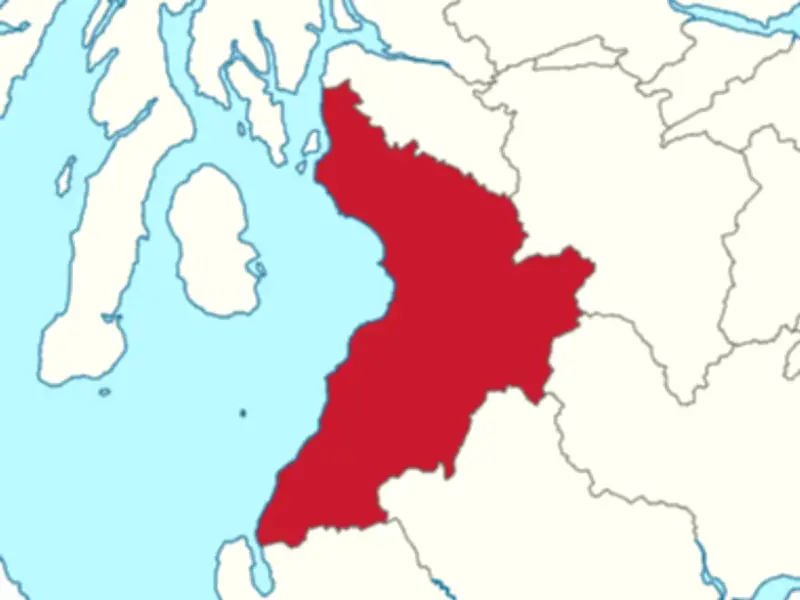
Ayrshire's three councils have set out the demands that would allow them to back Scottish Government plans for a major shake-up of local government, insisting the region should remain together under a new regional authority.
In a draft joint response, East, North and South Ayrshire Councils lay out a series of conditions they want ministers to address before any major restructuring takes place. The submission also states that "simply doing more of the same is not the answer".
Regional authority with greater powers
The councils insist Ayrshire should form its own regional authority with greater powers over transport, housing, planning, economic development and public health. However, they are adamant that education and social care must remain under local government control.
They also want guarantees that the Scottish Government will meet the costs of reorganisation, provide sustainable funding and allow any savings to be reinvested in local services. The councils have stressed that local democratic accountability must be protected, staff and communities must be involved in shaping the changes, and any transfer of powers must be properly funded and introduced gradually.
Scottish Government reform proposals
The Scottish Government launched its push for local government reform in September. The proposals did not set out concrete plans but suggested that Scotland's 32 local authorities could be replaced by between six and ten larger regional authorities, alongside the creation of between 120 and 160 community authorities across the country.
In launching the review, the Scottish Government specifically referred to Ayrshire as an example of what a region could look like. Under the joint submission, the three councils agree that the region should retain the existing boundaries of East, North and South Ayrshire if the changes go ahead.
Council officials have stressed that the submission does not represent any final agreement to the creation of a regional authority. They insist that any reform must improve services and protect local democratic accountability rather than simply change organisational structures.
Additional powers sought
The councils are seeking significant additional powers from national bodies, including greater control over economic development, business support, transport, housing, planning and public health. Among the potential changes are transferring responsibility for managing and maintaining trunk roads, increasing local control over skills and employability programmes, and devolving funding decisions for affordable housing.
The councils have also suggested greater local powers over business rates and economic investment. However, they have taken a firm position on the future of education and social care, insisting both should remain under local government control.
The joint submission raises particular concerns about the possibility of social care being placed under the direct control of the NHS, arguing that there is insufficient evidence such a transfer would benefit service users. It also questions how the proposed community authorities would operate, warning that additional structures could increase complexity and costs. The councils argue that any bodies established below regional level should not employ staff or be directly responsible for delivering services.
Financial and workforce implications
Financial pressures feature prominently in the submission. The three authorities say they have delivered savings totalling more than £300 million over the past 15 years, while the average council tax increases across Ayrshire in each of the past two years have been 7.7 per cent and 7.8 per cent.
The report acknowledges that regional working could reduce duplication, deliver efficiencies and allow resources to be shared more effectively. However, the councils are seeking guarantees that the Scottish Government would fully fund the one-off costs of any reorganisation and provide sustainable funding for services.
The proposals could also have significant implications for the workforce, with the three councils employing around 16,000 full-time-equivalent staff. Trade unions have raised concerns nationally about the potential impact of reform, including compulsory redundancies. An Ayrshire-wide trade union liaison group has already been established to discuss workforce issues associated with regional collaboration.
All three councils will hold special meetings to approve the draft response next week. The Scottish Government's three-month engagement period is due to conclude at the end of November, with decisions on the next steps expected early in 2027.