War Bonds Revival: Can Britain's Patriotism Fund Defence Shortfall?
War Bonds Revival: Can Patriotism Fund UK Defence?

War Bonds Return: A Patriotic Solution for Britain's Defence Funding Crisis?

As geopolitical tensions escalate globally, a century-old financial instrument is being revived in political discourse: war bonds. Liberal Democrat leader Ed Davey has proposed that the Treasury issue specially branded bonds to allow citizens to lend money directly to the state for defence purposes. This comes amid growing concerns about Britain's military capabilities and a reported £28 billion shortfall in defence funding.

The Financial Mechanics of Modern War Bonds

These proposed bonds, which would operate over two-to-three-year periods with interest rates matching standard government gilts, represent more than just financial instruments. The Liberal Democrats argue that funds raised would be hypothecated specifically for defence and associated industrial investment, potentially stimulating economic growth, job creation, and higher revenues that could partially offset additional debt servicing costs.

However, Treasury sources indicate limited enthusiasm for reviving a policy last administered with significant success more than a century ago. One fundamental problem remains: regardless of branding, war bonds constitute additional government debt that must eventually be repaid with interest. Historical precedent shows that while Britain successfully raised money through bonds for the Napoleonic wars and both world wars, this approach contributed to currency devaluation and inflated real debt values over subsequent decades.

The Patriotism Premium: Will Britons Invest?

The critical question facing any war bonds initiative is whether the British public possesses sufficient wealth and patriotic sentiment to purchase them in the necessary quantities. With approximately 28 million households in the UK, if each lent £1,000 annually, this would generate exactly the £28 billion experts identify as the current defence budget shortfall.

During the First World War, Britain raised approximately £3.3 billion (equivalent to £20 billion today) through war bonds, primarily from patriotic plutocrats, pension funds, and institutional investors rather than the general public. Contemporary economic conditions present different challenges: many households struggle with basic living costs, making additional financial commitments for military purposes potentially unpopular.

Historical Context and Modern Realities

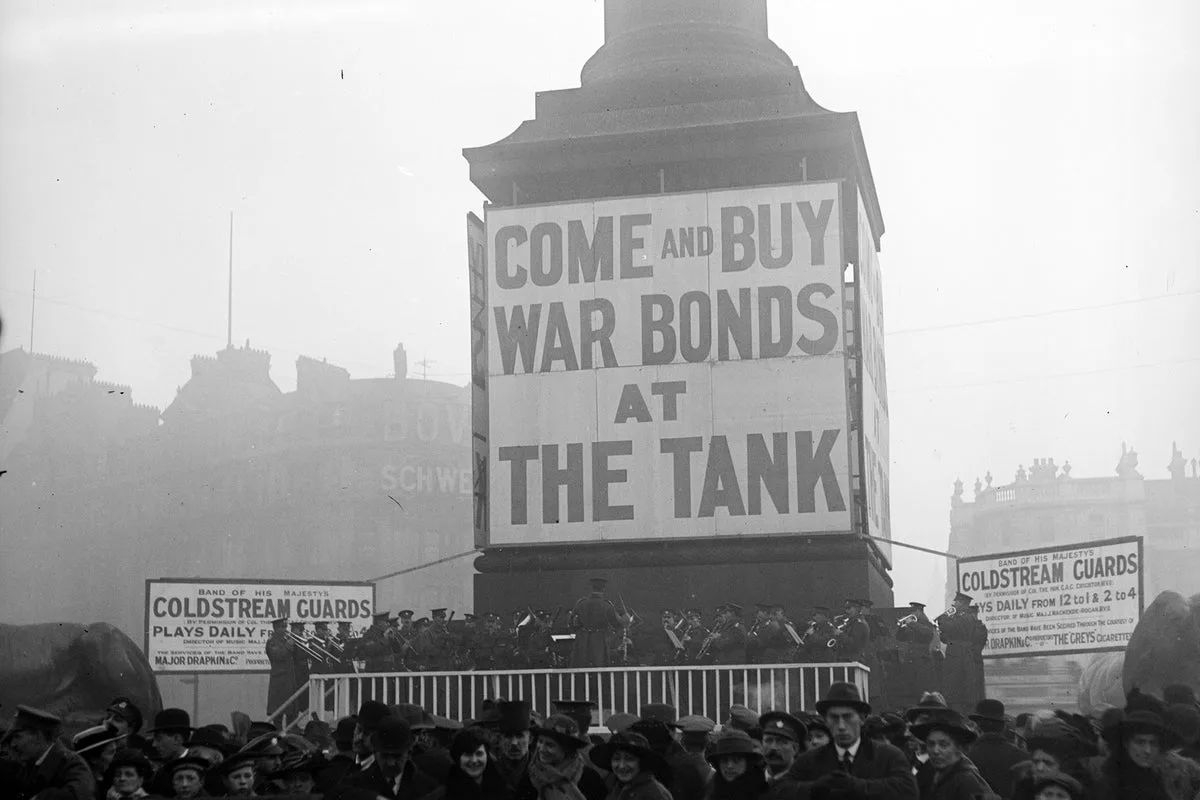
War bonds traditionally functioned as both financial instruments and propaganda tools. In 1914-1918, bond promotion involved newspaper appeals and Trafalgar Square rallies featuring soldiers from the front lines. Today, such campaigns would likely utilize social media platforms like TikTok and Facebook, though their fundamental purpose would remain unchanged: raising public morale and awareness alongside capital.

Foreign investment presents another complication. Unlike domestic bondholders who might accept patriotic motivations, international investors—the so-called bond vigilantes—evaluate securities purely on financial merit. They would likely demand inflation-proofed, index-linked securities or bonds denominated in stable currencies like the US dollar, questioning whether Britain could maintain interest payments during conflict.

Alternative Approaches and Uncomfortable Truths

More drastic measures have been suggested, including compulsory war bonds similar to Israel's long-standing system. This approach would effectively function as additional taxation with delayed repayment promises, likely generating significant public resentment among those already financially strained.

The underlying challenge extends beyond financing mechanisms. Britain faces what some describe as a dangerous complacency regarding continental threats, reminiscent of pre-war periods in 1913 and 1938. As during previous conflicts, substantial borrowing from international allies like the United States and Germany would probably remain necessary for any major military engagement.

Ultimately, the war bonds debate highlights broader questions about national priorities and collective responsibility. While nostalgia for Churchillian resolve persists in British culture, contemporary defence challenges require practical solutions that balance financial realities with security needs. Whether patriotic sentiment can translate into substantial public investment for military preparedness remains uncertain, but the conversation itself signals growing recognition that Britain's defence capabilities require urgent attention and innovative funding approaches.




