War Bonds Make a Comeback: A Patriotic Solution or Financial Burden?
In a bold move to address the United Kingdom's pressing defence needs, the concept of war bonds has resurfaced in political discourse. With a reported £28 billion shortfall in the defence budget, the Liberal Democrats, led by Ed Davey, have proposed issuing government-backed bonds to allow citizens to lend money directly to the state. This initiative aims to hypothecate funds exclusively for defence and associated industrial investments, promising to stimulate growth, create jobs, and generate higher revenues. However, the feasibility of such a scheme hinges on a critical question: is Britain patriotic enough to support it?
Historical Precedents and Modern Realities
War bonds are not a new idea; they were successfully utilised during the Great War, raising approximately £3.3 billion, equivalent to £200 billion in today's prices. These funds primarily came from patriotic plutocrats, pension funds, and the general public. Yet, the economic landscape has drastically changed. Today, investors demand inflation-proofed securities or bonds denominated in stable currencies like the US dollar, reflecting a globalised financial market where sentimentality holds little sway.
The Treasury has indicated it rules nothing out, but enthusiasm for reviving this policy appears tepid. One major concern is that war bonds essentially constitute additional government debt, which must be serviced through interest payments and eventual repayment. Historically, such borrowing led to currency devaluation and inflated real debt values over decades. In the current context, with the UK's national debt already substantial, adding more could strain fiscal rules and deter foreign investors, known as bond vigilantes, who prioritise returns over patriotism.

The Public's Role and Economic Implications
For war bonds to succeed, they must be embraced domestically in vast quantities. If each of the UK's 28 million households lent £1,000 annually, it would raise £28 billion—precisely the defence budget gap. However, this scenario does not spare the public from additional taxation. The borrowed funds would increase this year's borrowing, estimated at around £130 billion, and require repayment post-conflict, assuming a victorious outcome. Moreover, this sum is considered insufficient for a full-scale war with a power like Russia, likely necessitating further loans from allies such as the US and Germany.
A more extreme approach could involve compulsory war bonds, akin to policies in Israel, but this would likely be deeply resented and effectively function as another tax. Many Britons, already struggling with rising living costs, may resist contributing to military expenditures like new destroyers. The proposal underscores a broader issue: in an era of economic hardship, appeals to patriotism must compete with immediate financial pressures.
Propaganda and Public Awareness
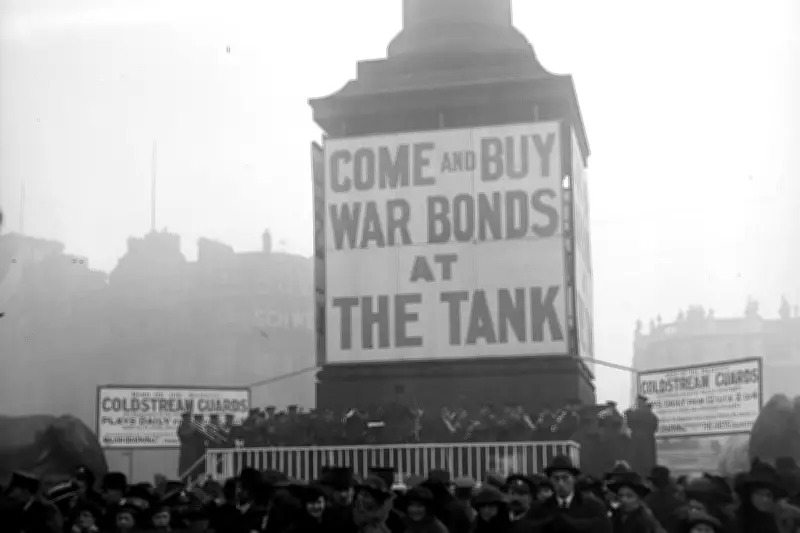
Beyond financing, war bonds serve as a tool for propaganda and morale-building. During the First World War, campaigns used press appeals and rallies in Trafalgar Square to encourage purchases. Today, such messages would spread via platforms like TikTok and Facebook, aiming to raise awareness about national security threats. This aspect is particularly relevant given current complacency among the British public regarding continental developments, reminiscent of pre-war periods where warnings were often ignored until conflict was unavoidable.
Ultimately, the debate over war bonds highlights a tension between nostalgic appeals to Churchillian values and pragmatic financial realities. While they could foster a sense of collective responsibility and preparedness, their success depends on a patriotic surge that may be elusive in modern Britain. As discussions continue, the core challenge remains: balancing defence needs with economic sustainability in an uncertain global landscape.