Veterans whose military service was affected by the ban on LGBT people serving in the British Armed Forces may be eligible for payments of up to £50,000, with applications closing on December 12, 2026.
The ban, in place from 1967 until it was formally lifted in 2000, prohibited people from serving while openly lesbian, gay, bisexual or transgender. Punishments included imprisonment, loss of pensions, stripping of service medals and formal discharge.
Campaign for reparations
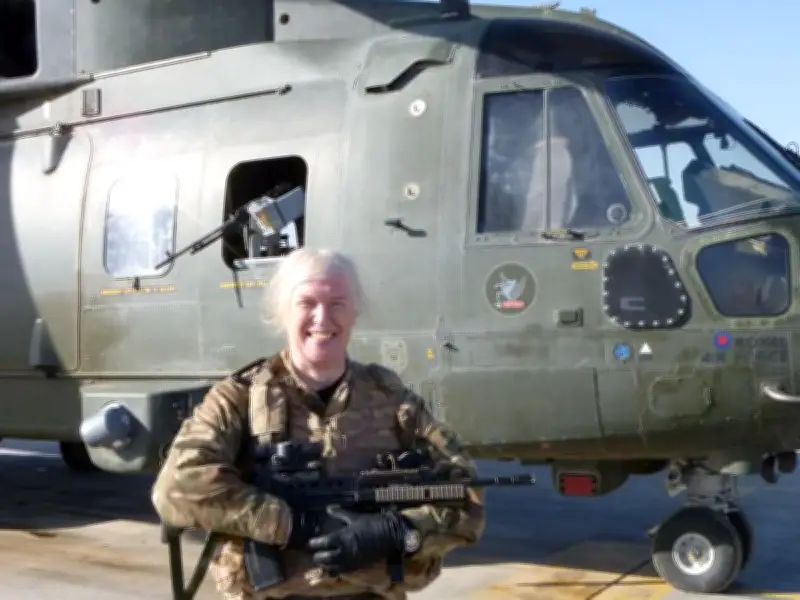
Caroline Paige, 67, from Wallasey, was the first transgender officer to serve in the Armed Forces, serving for 35 years in the Royal Air Force. She transitioned after 18 years of service, becoming the first transgender person in the RAF and the first transgender officer in the Armed Forces. She served for another 16 years, became a tactics specialist and received commendations for exceptional service in Iraq and Afghanistan.
Paige, a former CEO of military charity Fighting With Pride (FWP), which supports LGBT+ veterans, serving personnel and their families, said: "I knew I’d have to hide who I was, and I did that for 18 or 19 years before I realised that I needed to decide about my own life, not just live to everybody else’s expectations. I had to hide who I was, and I became very good at that."
She added: "The discrimination that I faced meant that I couldn’t be who I was and I had to live two lives. I had this life away from the military which was my kind of safe space, and then I would go to work and have to be somebody else at work and be really careful about that and not be able to tell people about my life."
Independent review and compensation scheme
Paige and FWP co-founder Craig Jones MBE, a Royal Navy veteran, worked together to secure reparations. In 2021, they gave evidence to the armed forces select committee, which led to an independent review chaired by Lord Etherton over 2022 to 2023. The review gathered 1,100 testimonies and produced 49 recommendations to the Ministry of Defence (MoD) and the government.
As a result, the MoD is accepting applications from veterans affected by the ban. Those administratively dismissed or discharged between July 27, 1967, and January 11, 2000 may be eligible for a payment of £50,000. Others impacted by the ban could receive up to £20,000. The scheme also covers those who experienced harassment, investigations, disciplinary action or other mistreatment due to their actual or perceived sexual orientation or gender identity.
Encouraging veterans to apply
Paige said: "If people were outed or perceived as LGBT, they were openly discriminated against, harassed, bullied and assaulted. There was this culture that existed which was hugely hostile to anybody being LGBT+, which forced people to hide who they were."
She noted that many affected veterans suffered homelessness, family rejection and employment difficulties, as well as long-term health and wellbeing issues. She is encouraging veterans who were even slightly affected to apply, saying: "Apply for it and then the answer will be found for you, you’ve got nothing to lose. You don’t need to provide service records because that will be found for you by the MoD."
The deadline for applications is December 12, 2026. More information about the ban and how to apply is available online.