
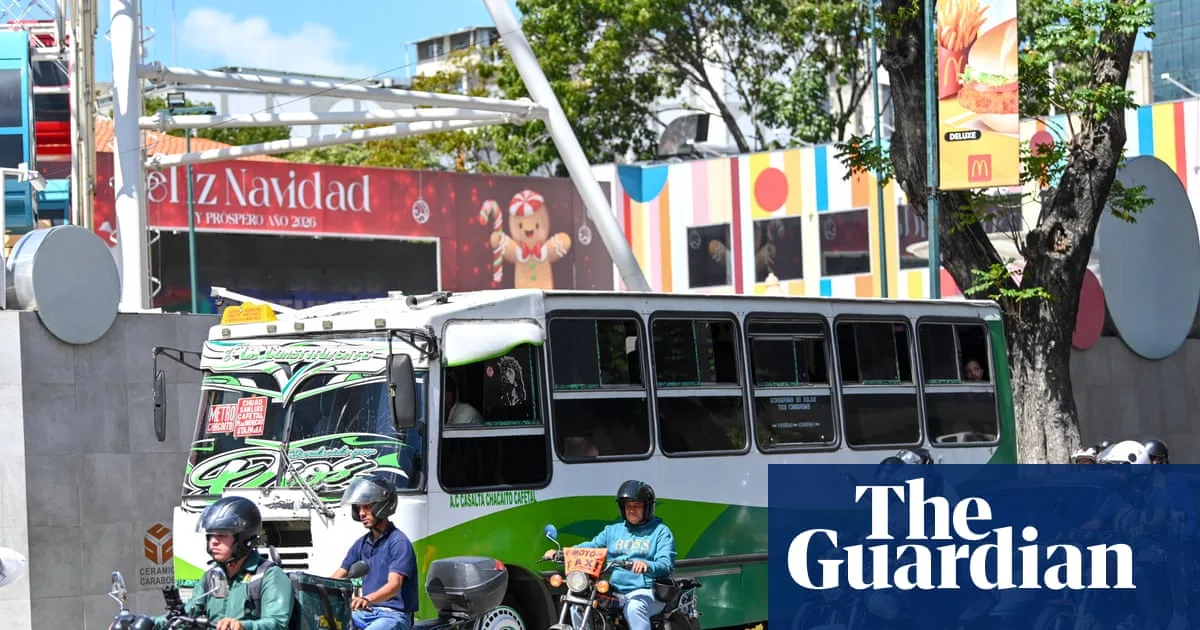
A week after the US capture of President Nicolás Maduro, Venezuela remains in a state of fear and uncertainty, with a more draconian atmosphere prevailing. While the operation gave many Venezuelans hope for change, the country's new regime under Vice-President Delcy Rodríguez has tightened its grip, deterring unrest with armed patrols and security checks.
Opposition leader Freddy Guevara, who spent 34 days in Venezuela's notorious El Helicoide prison, had hoped for the release of political prisoners after Maduro's capture. Although some prisoners were freed, including activist Rocío San Miguel and former presidential candidate Enrique Márquez, many others remain detained. Guevara recalled his own ordeal, including interrogations and threats, saying it was 'horrible' not knowing what would happen.
In Caracas, masked civilians carrying Kalashnikovs roam the streets on motorbikes, while security forces set up checkpoints and search phones for anti-regime material. Journalists have been detained or deported. In the working-class area of 23 de Enero, paramilitary groups called colectivos impose an informal curfew, recruiting homeless people and drug addicts for patrols. 'After 6pm you don't see anyone in the streets,' a local said.
Fear extends to the border with Colombia, where a 57-year-old entrepreneur crossing into Cúcuta said he could not publicly express happiness about Maduro's capture for fear of arrest. 'Our hope is that they come back for the rest of the body,' he said, referring to the regime's remaining structure. Initial euphoria among government opponents was dashed when Trump announced recognition of Rodríguez and cooperation with the remnants of Maduro's regime.




