
The sinking of the USS Indianapolis in the final weeks of World War II remains one of the worst naval disasters in US history. Struck by two Japanese torpedoes just after midnight on 30 July 1945, the ship sank in just 12 minutes, leaving around 900 sailors adrift in the Pacific Ocean.
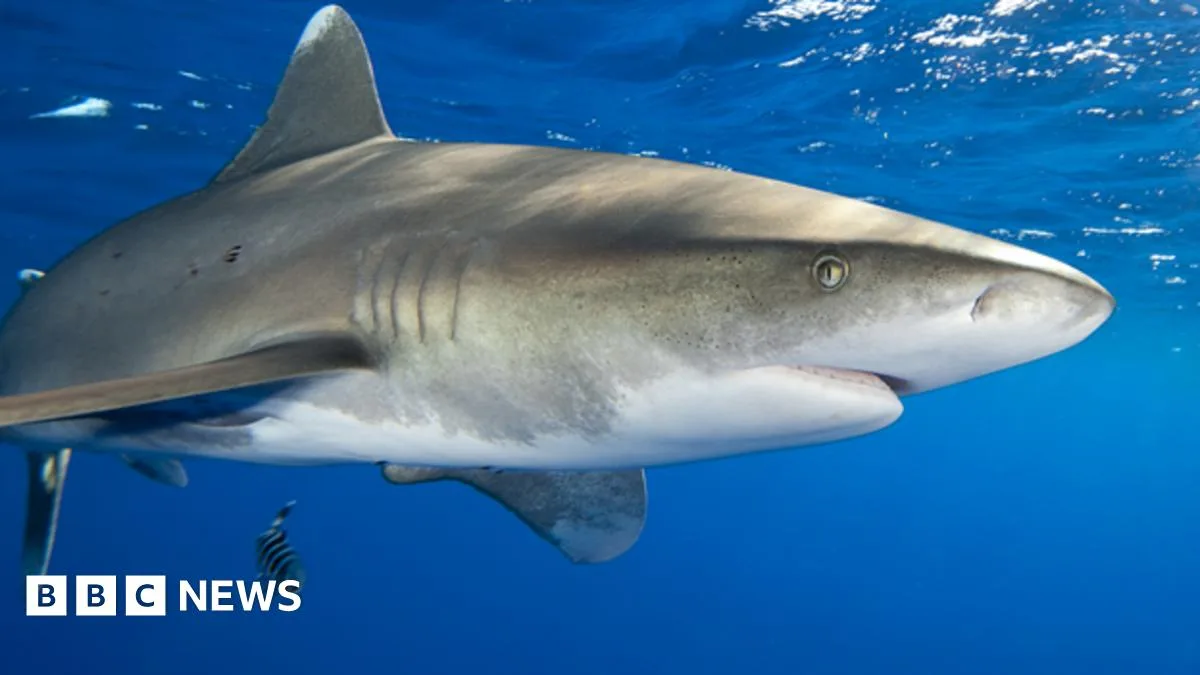
Surrounded by sharks, the men waited for rescue that never came. The ship had sent SOS signals, but the US Navy failed to take them seriously and did not mount a search. One survivor, Loel Dean Cox, then 19, recalled seeing the sharks circling in the clear water. 'Every few minutes you'd see their fins - a dozen to two dozen fins in the water,' he said.
The sharks attacked constantly, feeding on the dead and occasionally taking living men. Cox described one attack: 'One came up and took the sailor next to me. It was just somebody screaming, yelling or getting bit.' But the sharks were not the main killer; exposure, dehydration and drowning claimed many lives.
With no food or water, the men suffered under the scorching sun by day and freezing temperatures by night. Their lifejackets waterlogged, many became exhausted. Cox said they prayed for darkness, then prayed for daylight. After four days, a passing aircraft spotted the survivors and a rescue was finally launched.
Of the 1,197 men on board, only 316 survived. Captain Charles McVay, who had requested an escort that was denied, was later court-martialled for negligence, a decision that caused much controversy.




