US Troops Reportedly Moved to Hotels in Middle East, Potentially Violating War Rules
The Pentagon may have violated its own rules of war by reportedly moving troops from US bases targeted by Iran to hotels and other civilian locations across the Middle East, according to a recent New York Times investigation. This relocation strategy, initiated in response to escalating Iranian missile strikes, could contravene fundamental principles of the US Law of War designed to protect civilian populations.
Background of the Conflict and Troop Relocations
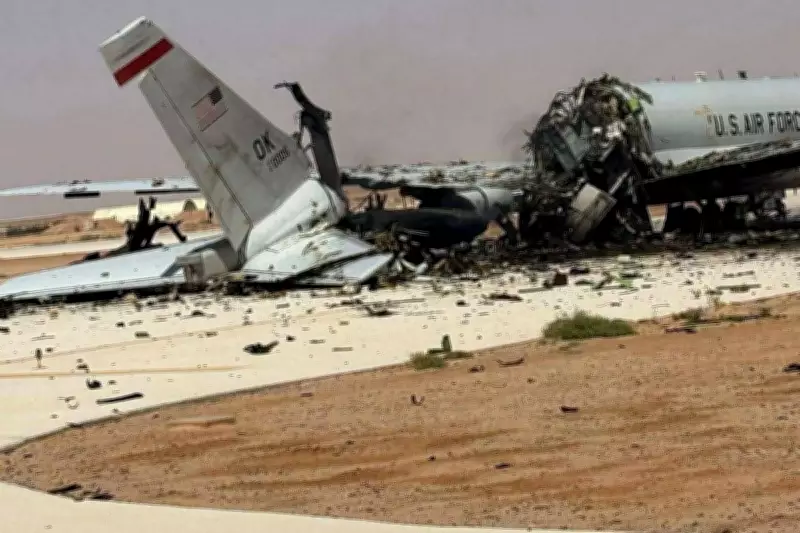
Since the conflict began with President Donald Trump's missile strikes, Iranian forces have aggressively targeted US military installations throughout the Gulf region. Key bases, including the Prince Sultan Air Base in Saudi Arabia and the Al Udeid Air Base in Qatar, have sustained significant damage, resulting in at least a dozen service member fatalities. In response to these threats, military personnel disclosed to the New York Times last month that troops have been shifted to office spaces and hotels, where they are now operating remotely to maintain security and operational continuity.
Potential Violations of US Law of War
If confirmed, these relocations could represent a breach of Section II of the US Law of War, which mandates that parties in conflict must make every feasible effort to distinguish military forces from civilians. This principle aims to mitigate civilian casualties and prevent damage to civilian objects, forming a cornerstone of both US military doctrine and the Geneva Conventions. The manual explicitly states that forces should "physically separate, as feasible, their military objectives from civilian population and other protected persons and objects."

Iran's Retaliatory Campaign and Escalating Tensions
Iran has launched a sustained retaliatory missile strike campaign against the US following joint American and Israeli attacks in late February. Targets have expanded beyond military bases to include US embassies, with recent warnings indicating that US businesses throughout the Gulf region could be next. The Islamic Revolutionary Guard Corps has even called on civilians to report troop locations, a tactic that US officials claim will not deter their operations. Concurrently, the US Embassy in Saudi Arabia issued a travel advisory, cautioning American citizens that "gathering" areas might be potential targets, highlighting the heightened risks in civilian zones.
Legal and Ethical Implications
The US Law of War acknowledges that it may not always be feasible to separate military and civilian areas, particularly when forces are "housed in populated areas to take advantage of existing facilities." However, the reported use of hotels and offices raises serious questions about compliance with the core obligation to protect civilians. Mitigating civilian harm is a primary pillar of international humanitarian law, requiring forces to avoid unnecessary targeting of civilians and to take proactive measures to keep them out of harm's way. The Independent has sought comment from the Pentagon on these allegations, but no official response has been provided yet.
Broader Context of US-Iran Hostilities
The US has conducted thousands of strikes on Iran, impacting military, industrial, and civilian sites, further complicating the ethical landscape of the conflict. This ongoing cycle of retaliation and escalation underscores the challenges of adhering to war rules in a volatile region. As troops continue to operate from civilian locations, the potential for increased civilian casualties and legal scrutiny remains a critical concern for policymakers and military leaders alike.