US Troops Left with Severe Injuries After Iranian Drone Strike in Kuwait
An Iranian drone attack on a civilian port facility in Kuwait has resulted in the tragic deaths of six American troops and left dozens more injured, with many suffering severe and life-altering wounds. The strike, which targeted a logistical support unit at Shuaiba port, has exposed critical vulnerabilities in military protection protocols, despite Pentagon assurances of comprehensive safeguards.
Details of the Attack and Its Aftermath
Survivors of the drone strike have provided harrowing accounts of the incident, describing a scene of utter chaos. One soldier recalled the immediate impact, stating the aftermath was filled with "smoke and fire and crazy and chaos," as they sustained shrapnel injuries. The attack contributed to at least 140 U.S. service members being injured over a ten-day period, with eight remaining in severe condition and over thirty still hospitalized.
The injuries reported are notably severe, including brain trauma, extensive burns, and shrapnel wounds, with some cases leading to amputations. A recent report suggests that the full extent of these injuries was more severe than initially disclosed, highlighting the brutal nature of the assault.

Military Response and Broader Context
In response to the attack, former President Donald Trump issued a stark warning, indicating that any disruption to oil supplies would trigger harsher strikes, underscoring the escalating tensions in the region. The targeted unit, part of the 103rd Sustainment Command, reportedly lacked hardened protection against explosive force, raising questions about defense preparedness.
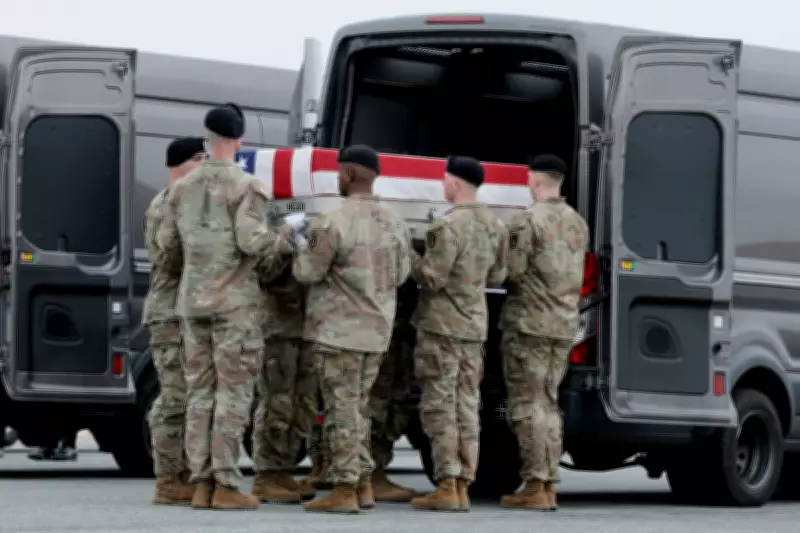
Additionally, a seventh service member was killed in a separate strike in Saudi Arabia, further emphasizing the volatile security situation. The identification of the six Army Reserve troops from the 103rd Sustainment Command among the deceased has brought personal tragedy to the forefront of this international incident.
This event underscores the ongoing risks faced by U.S. forces in the Middle East and the urgent need for enhanced protective measures to prevent future casualties in similar conflicts.