US Minesweepers Remain Docked in Philadelphia as Iran War Escalates
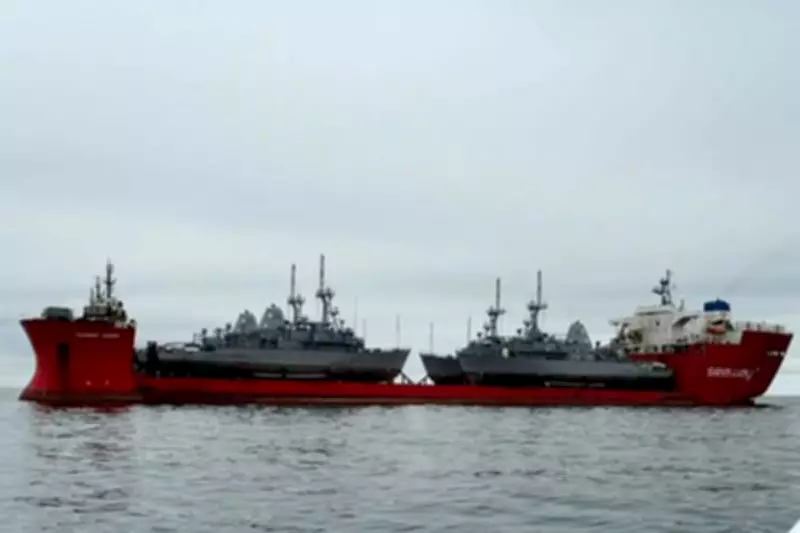
The United States Navy has proceeded with plans to withdraw its dedicated minesweeping vessels from active service in the Middle East, despite escalating military tensions with Iran. This decision has left four Avenger-class Mine Countermeasure Ships sitting idle in Philadelphia, thousands of miles from the strategic Strait of Hormuz, where President Donald Trump has issued stark warnings against Iranian mining operations.
Trump's Stern Warnings Amid Soaring Gas Prices
As American consumers face skyrocketing fuel costs, President Trump took to his Truth Social platform this week to deliver an ultimatum to Tehran. He demanded the immediate removal of any naval mines placed in the vital Strait of Hormuz, threatening consequences at a level never seen before if Iran failed to comply. These warnings followed multiple reports indicating that Iranian forces had begun mining the narrow waterway, through which approximately one-fifth of global oil supplies pass annually.
In subsequent social media posts, Trump boasted about using drone strikes to permanently eliminate ten Iranian mine-laying vessels and threatened further action against any ships attempting to mine the strait. However, the practical capacity of the US military to detect and clear existing or future mines remains uncertain, given the recent withdrawal of specialized equipment from the region.

Decommissioned Vessels Transported Stateside
The four wood-and-fiberglass minesweepers—USS Devastator, USS Sentry, USS Dextrous, and USS Gladiator—were constructed in the late 1980s and early 1990s. They had been forward-deployed at the US Fifth Fleet headquarters in Bahrain for decades, serving as a primary deterrent against mining operations in the Persian Gulf since their initial deployment during Operation Desert Storm.
This longstanding presence ended in September when the USS Devastator was formally decommissioned. The Trump administration continued with pre-arranged plans to transport all four vessels back to the United States for disposal. In January, the massive cargo ship M/V Seaway Hawk departed Bahrain carrying the decommissioned minesweepers, arriving in Philadelphia on Tuesday—coinciding with reports of Iran beginning mine-laying operations.
Controversial Replacement Strategy
Photographs released by the Pentagon show the Seaway Hawk being escorted by the USS Canberra, a Littoral Combat Ship (LCS) that represents the Navy's controversial replacement strategy for mine-clearing operations. The Canberra is the first vessel of its class to be fitted with a mine countermeasures mission package, part of an effort to repurpose the troubled LCS program for this specialized role.
The decades-long LCS initiative has been plagued by significant cost overruns and serious questions about the ships' survivability in combat situations. According to naval reports, the Navy has abandoned plans to decommission these vessels and instead intends to utilize them for mine-clearing duties and as support platforms for unmanned systems.
When questioned about whether a single LCS equipped with mine-clearing equipment could adequately replace four purpose-built minesweepers, a US defense official declined to comment, citing operational security concerns. The official stated that the military does not discuss the operational status of assets or speculate on future operations.
Strategic Implications and Regional Stability
The withdrawal of dedicated minesweepers from the Persian Gulf region represents a significant shift in US naval strategy during a period of heightened regional instability. For over four decades, these vessels served as a constant deterrent against Iranian attempts to block the strategically vital Strait of Hormuz through mining operations.
With only four remaining Avenger-class ships in active service—all based in Sasebo, Japan—and their replacement by an unproven LCS platform, questions persist about the United States' ability to effectively respond to mining threats in one of the world's most critical maritime chokepoints. This development occurs as President Trump continues to issue increasingly bellicose warnings to Iran, creating a volatile situation with global economic implications.