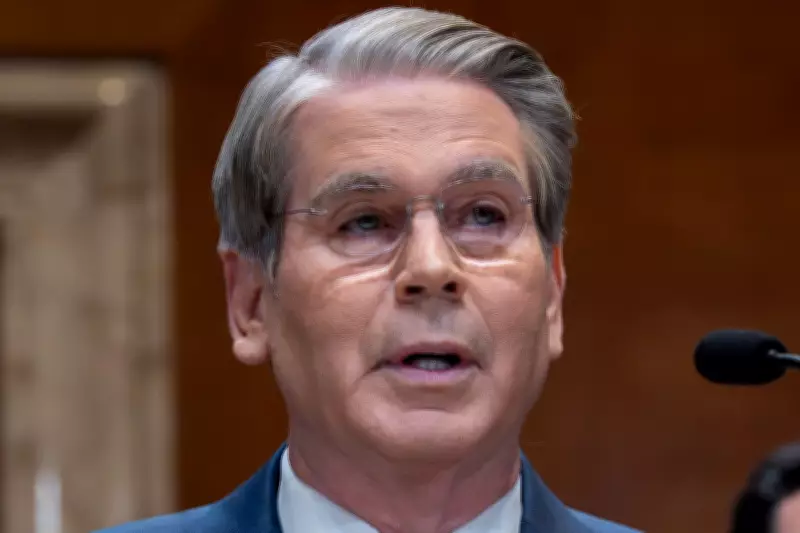
Treasury Secretary Scott Bessent has confirmed that the United States will not renew waivers allowing the purchase of Russian oil and petroleum products currently at sea, and has ruled out any further extension for Iranian oil. Speaking to the Associated Press on Friday, Bessent stated unequivocally that a renewal of the one-time waiver for Iranian oil is completely off the table.
No Third Renewal for Russian Oil
Bessent said the U.S. does not plan a third renewal of the waiver for Russian oil, which was initially issued in March to stabilise global energy markets after crude oil prices surged above $100 per barrel. The Treasury Department had previously renewed the waiver two days after Bessent indicated at the White House that he had no plans to extend the sanctions relief. However, he now believes the Russian oil on the water has been largely absorbed by the market.
Impact on Vulnerable Nations
During the World Bank and International Monetary Fund meetings last week, Bessent said more than ten of the most vulnerable and poorest countries approached him for help. He cited these concerns as a factor in his previous decision to renew, but he does not foresee another extension. “It was for those vulnerable and poor countries,” Bessent explained. “But I wouldn’t imagine that we’d have another extension.”

Iranian Oil Blockade
Regarding Iran, Bessent was emphatic: “Not the Iranians. We have the blockade, and there’s no oil coming out.” He warned that Iran would likely have to start shuttering production within the next two to three days, which would be detrimental to their wells. These statements come amid heightened global tensions due to the U.S.-Israeli war in Iran and the closure of the Strait of Hormuz, which has disrupted global energy markets.
Market Implications
The decision to end waivers is expected to further tighten global oil supplies, particularly given the ongoing conflict and the blockade of key shipping routes. Bessent’s remarks underscore the administration’s hardline stance on sanctions enforcement, even as it acknowledges the strain on the most vulnerable economies.