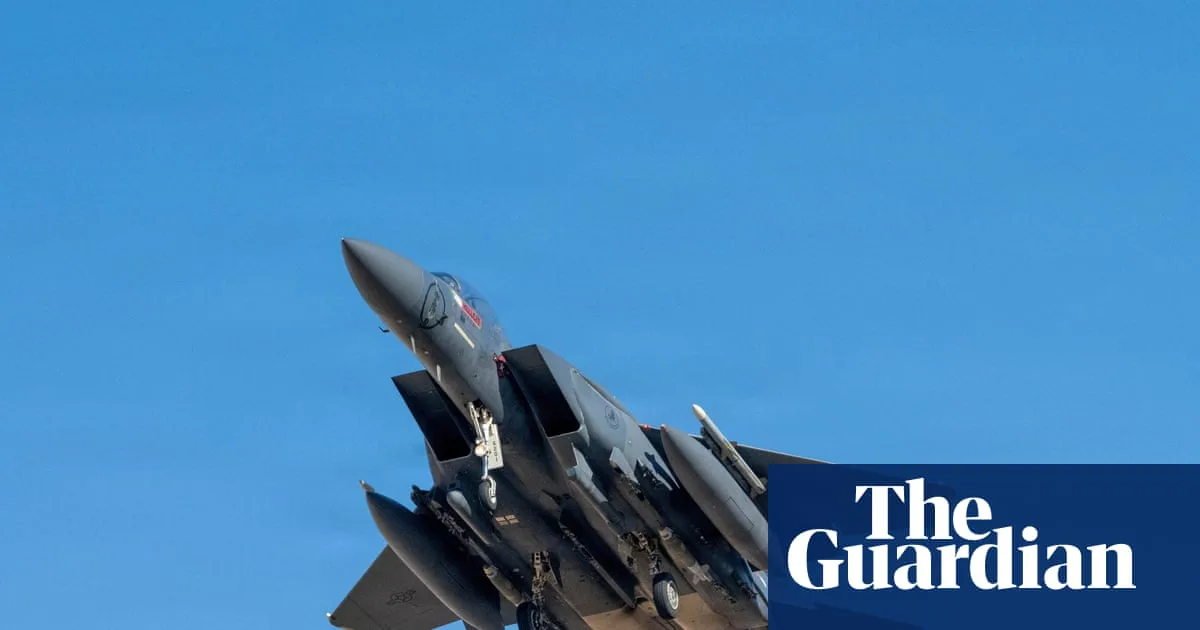
US Air Force E-3G Sentry Destroyed in Iranian Missile Strike, Injuring 15 Troops
US Air Force Jet Destroyed in Iranian Missile Strike

Staggering photographic evidence has emerged showing catastrophic damage inflicted upon a vital US Air Force surveillance jet following a direct Iranian missile strike that left multiple American troops seriously wounded. The images, captured at Prince Sultan Air Base in Saudi Arabia, depict what appears to be the utterly destroyed remains of an E-3G 'Sentry' airborne warning and control system aircraft, one of the military's most crucial aerial surveillance platforms.

Critical Surveillance Aircraft Ravaged in Coordinated Attack

The E-3G Sentry, reportedly left ravaged after being struck by at least six ballistic missiles during Friday's assault, represents a significant blow to US air operations capabilities. According to PBS reports, approximately fifteen service members sustained injuries in the attack, with five of those cases classified as serious. The photographic evidence reveals devastating structural compromise to the aircraft.

Detailed Destruction of Advanced Military Asset

In one particularly revealing image, the aircraft's midsection appears to have been violently blown apart, exposing internal components in a chaotic jumble of wreckage. Another photograph shows the tail section completely detached from the main fuselage, collapsed onto the runway amid scattered debris. A third image captures personnel wearing protective suits walking beneath the wing of the crippled jet, appearing minuscule against the overwhelming scale of destruction.

Wide Pickt banner — collaborative shopping lists app for Telegram, phone mockup with grocery list

The damage appears concentrated at the rear section of the aircraft, which houses the rotating radar dome and sensitive electronics integral to its sophisticated surveillance system. Tracking data indicates the destroyed aircraft was tail number 81-0005, an E-3G Sentry assigned to the 552nd Air Control Wing from Tinker Air Force Base in Oklahoma.

Escalating Regional Conflict and Military Buildup

This destruction follows Iran's coordinated assault on Prince Sultan Air Base, which involved six ballistic missiles and twenty-nine drones in an attack that has dramatically escalated regional tensions. The base, located approximately sixty miles from Riyadh and operated by the Royal Saudi Air Force with US military presence, has been repeatedly targeted since the conflict began.

This latest barrage represents one of the most significant direct hits on US military assets in the region. According to people briefed on the matter, the number of injured US troops has been revised upward from earlier reports, with at least fifteen wounded including five serious cases. The broader conflict has now seen over three hundred American service members wounded since hostilities commenced.

Operational Impact and American Casualties

The E-3 fleet, already limited in number, serves as a cornerstone of US air operations by providing real-time surveillance, command, and control across vast battle spaces. With this aircraft's loss, the US Air Force's operational E-3 fleet has been further reduced at a critical juncture. Central Command reports that while most injured personnel have returned to duty, approximately thirty remain sidelined with at least ten considered seriously wounded.

The conflict has already claimed American lives, including Army Sergeant Benjamin N Pennington, twenty-six, who was wounded in a March 1 attack on the same base and later died. He is among thirteen US service members killed since the conflict began.

Expanded Military Presence and Economic Ramifications

Meanwhile, the United States has surged forces into the region in what officials describe as the largest American military presence in the Middle East in more than two decades. Approximately fifty thousand US troops are now positioned across the region, backed by multiple warships and two aircraft carriers. The Navy amphibious assault ship USS Tripoli, carrying about twenty-five hundred Marines, has arrived alongside additional ships including the USS Boxer and other Marine units.

Iran has expanded its response to US and Israeli operations by targeting both Israel and Gulf Arab states while exerting pressure on global energy markets through its strategic control of the Strait of Hormuz. This disruption has rattled oil exports, driven up fuel prices, and sent shockwaves through global supply chains.

Pickt after-article banner — collaborative shopping lists app with family illustration

Diplomatic Deadlines and Regional Implications

President Donald Trump has warned that Iran must reopen the Strait of Hormuz, stating he has given Tehran until April 6 as diplomatic efforts continue, although Iran has indicated it is not currently engaged in negotiations. The conflict, now entering its second month, shows no signs of de-escalation as both military and economic pressures intensify across the region.




