Ukrainian drones hit the Rosneft-owned Ryazan Oil Refinery in the early hours of Thursday, igniting large fires and marking the fifth major attack on Russia's refining network in barely a week. The plant, one of Russia's three largest, supplies fuel to Moscow and central Russia.
Attack Details and Immediate Impact
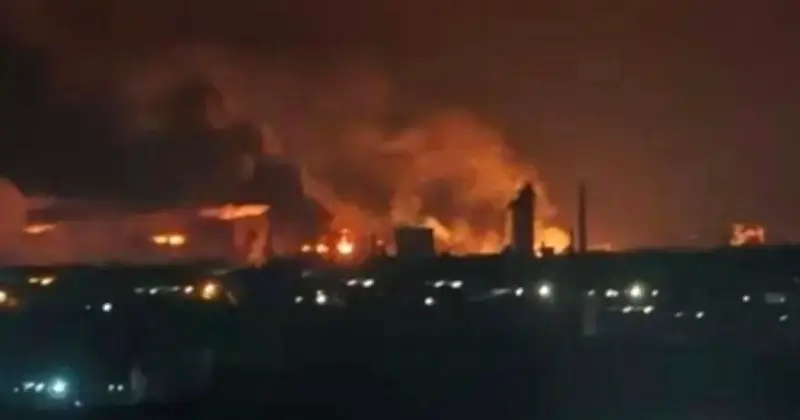
Long-range drones penetrated defences and dove into the industrial zone of the refinery, according to footage shared by Ukrainian monitoring channels. Thick orange fireballs and black smoke rose above the facility within minutes, with locals capturing the scene from apartment blocks as the sky turned red.
Ukrainian official Anton Gerashchenko posted video of the blaze, writing: "In Russia, the Ryazan oil refinery is burning after a drone attack. Part of Rosneft, it is one of Russia's largest oil processing facilities, with an annual capacity of around 17-18 million tonnes of crude oil.
"The plant produces gasoline, diesel, fuel oil, bitumen, and jet fuel, including TS-1 aviation kerosene used by Russian military aircraft. It supplies Moscow and other parts of central Russia and reportedly provides fuel for the Russian defence ministry." He later shared further images with the caption: "Russian landscapes. Ryazan oil refinery after an attack."
Official Confirmation and Wider Damage
Ryazan Oblast Governor Pavel Malkov confirmed fires at industrial sites, power cuts across parts of the city and damage from falling debris. He reported one person injured and later claimed more than 200 drones had targeted the region.
Independent Russian outlet Astra and Ukrainian channel Exilenova+ identified the refinery as the main target. A nearby Wildberries logistics warehouse was also reported ablaze. The Ryazan plant has been hit before; an October 15 strike forced one primary crude unit offline.
Broader Campaign and Strategic Goals
This attack follows strikes on Novokuibyshevsk in Samara, Bashneft-Novoil in Ufa, Lukoil's Kstovo plant and the Slavneft-YANOS refinery in Yaroslavl since October 30. Those three alone handle roughly 10% of Russia's refining capacity and more than 10% of its diesel output.
By targeting hard-to-replace refining units rather than crude production itself, Ukraine aims to choke the fuel that powers Russia's war machine and squeeze export revenues. Western sanctions make repairing sophisticated equipment slow and costly. Russian officials routinely blame "falling debris" from intercepted drones, yet the fires keep spreading.
The campaign resumed after a brief reported pause under US pressure, with strikes restarting almost immediately. Russia's air defences claim to down hundreds of drones nightly, yet enough get through to keep the fires burning. For ordinary Russians, effects are already visible: fuel shortages in some regions, rising prices and industrial plants on fire deep inside the country, hundreds of kilometres from the front line.