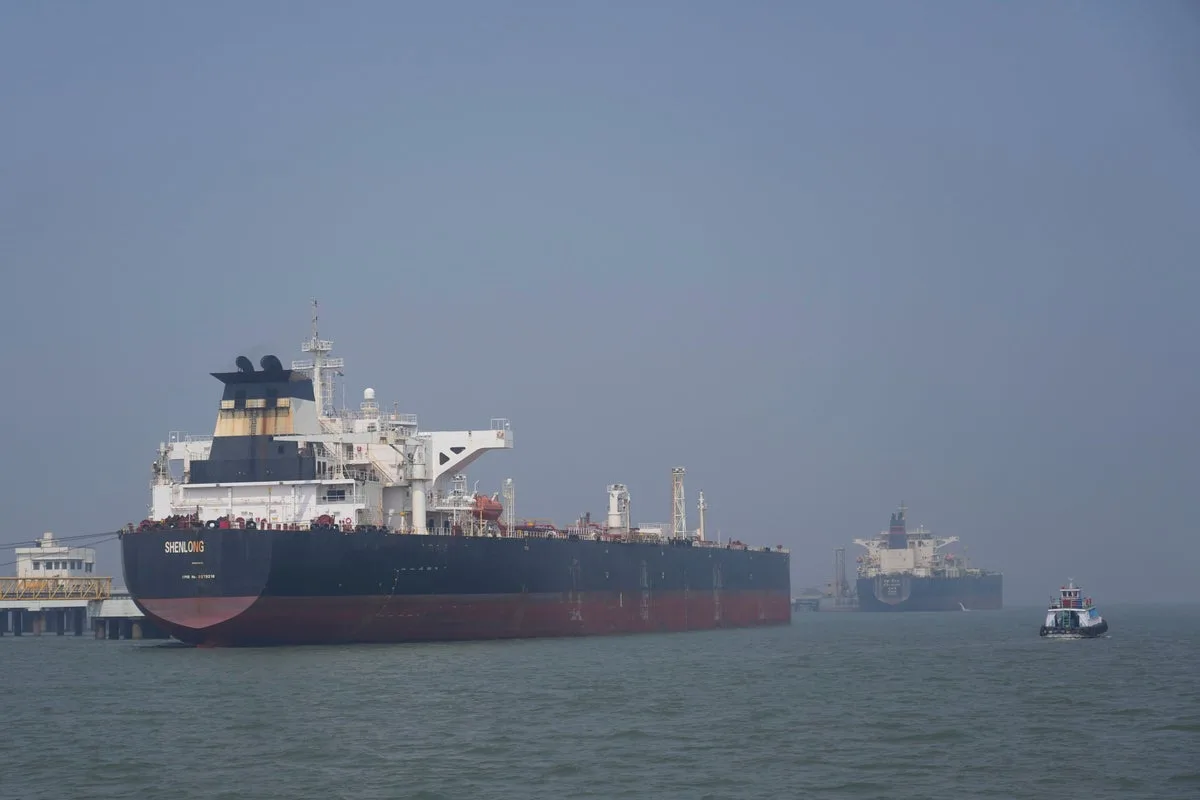
UK and US Military Experts Collaborate on Strait of Hormuz Reopening Plans
British military experts are actively collaborating with their United States counterparts to develop strategic options for reopening the critically important Strait of Hormuz. A specialised team has been deployed to US Central Command, the headquarters responsible for overseeing American military operations throughout the Middle East region.
Heightened Danger and Multinational Reluctance
However, senior defence sources have strongly emphasised the extreme peril of the current situation. They indicate that the threat level from Iran is so severe that very few nations would be prepared to commit their warships into such a volatile environment at this time. The sources explicitly stated that not many countries are willing to place vessels "in the middle of that threat right now."
This assessment comes amidst a continued blockade of the strait by Iran, which has closed the vital waterway to most commercial shipping, with multiple attacks reported on vessels. This disruption poses a significant and escalating threat to the stability of the global economy, given the strait's role as a major conduit for oil and gas exports.
Political Posturing and Complex Military Reality
US President Donald Trump has publicly suggested a hands-off approach, implying that once US military actions had "finished off" Iran, the responsibility for securing the strait should fall to the nations reliant on its use. In social media posts, he questioned what would happen if the US left the security of the "Straight" to those user countries, criticising allies for a lack of responsiveness.
In contrast, British political and military leaders are highlighting the necessity for a coordinated, multinational response. Armed Forces Minister Al Carns provided historical context, noting that during the last major crisis in 1987, it required a fleet of 30 warships to escort vessels through the Strait of Hormuz. He stressed that the contemporary challenge is vastly more complex.
"I would say this must be a multinational solution," stated Mr. Carns. "We're not anywhere near that at the moment, but I would say one thing: that there's one thing worse than working with allies, and that's working without them."He detailed that Iran's modern arsenal now includes a dangerous mix of fast attack boats, various types of naval mines, ballistic missiles, and unmanned drones operating in the air, on the sea surface, and underwater.
Diplomatic Engagements and UK's Cautious Stance
Defence Secretary John Healey engaged in discussions on Wednesday with his counterparts from key European allies, including France, Germany, Italy, and Poland. "We are working with allies to reinforce regional security and protect British interests," Mr. Healey affirmed.
Another senior defence official described the geopolitical and military landscape as "incredibly fluid," reiterating the high-threat assessment that is deterring naval commitments from many nations.
At Prime Minister's Questions, Sir Keir Starmer defended the UK's cautious strategic approach, insisting he would not allow British forces to be drawn into a "wider war." He advocated for a diplomatic resolution, stating, "The best way forward is a negotiated settlement with Iran giving up any aspirations to develop a nuclear weapon." He linked the prolonged conflict to rising costs of living, noting UK interventions to support households with heating oil costs.
Regional Military Deployments and Escalating Conflict
While focused on the Strait of Hormuz, the UK has also taken defensive actions elsewhere. The air defence destroyer HMS Dragon has been dispatched to help defend Cyprus from drone and missile threats, having been seen departing Gibraltar, though it has not yet reached the eastern Mediterranean.
British military involvement in the region is already substantial. Royal Navy and RAF pilots have logged over 650 hours on operational missions in the Middle East since the crisis intensified, with British forces credited with downing more than 40 hostile drones.
The conflict continues to widen across the region. Israel has claimed responsibility for the killing of Iranian Intelligence Minister Esmail Khatib. Iran has conducted attacks on Saudi Arabia's oil-rich Eastern Province, as well as on energy infrastructure in Qatar and the United Arab Emirates. Conversely, Israel has been blamed for an attack on a natural gas field that Iran shares with Qatar, marking a dangerous escalation in the targeting of critical economic assets.




